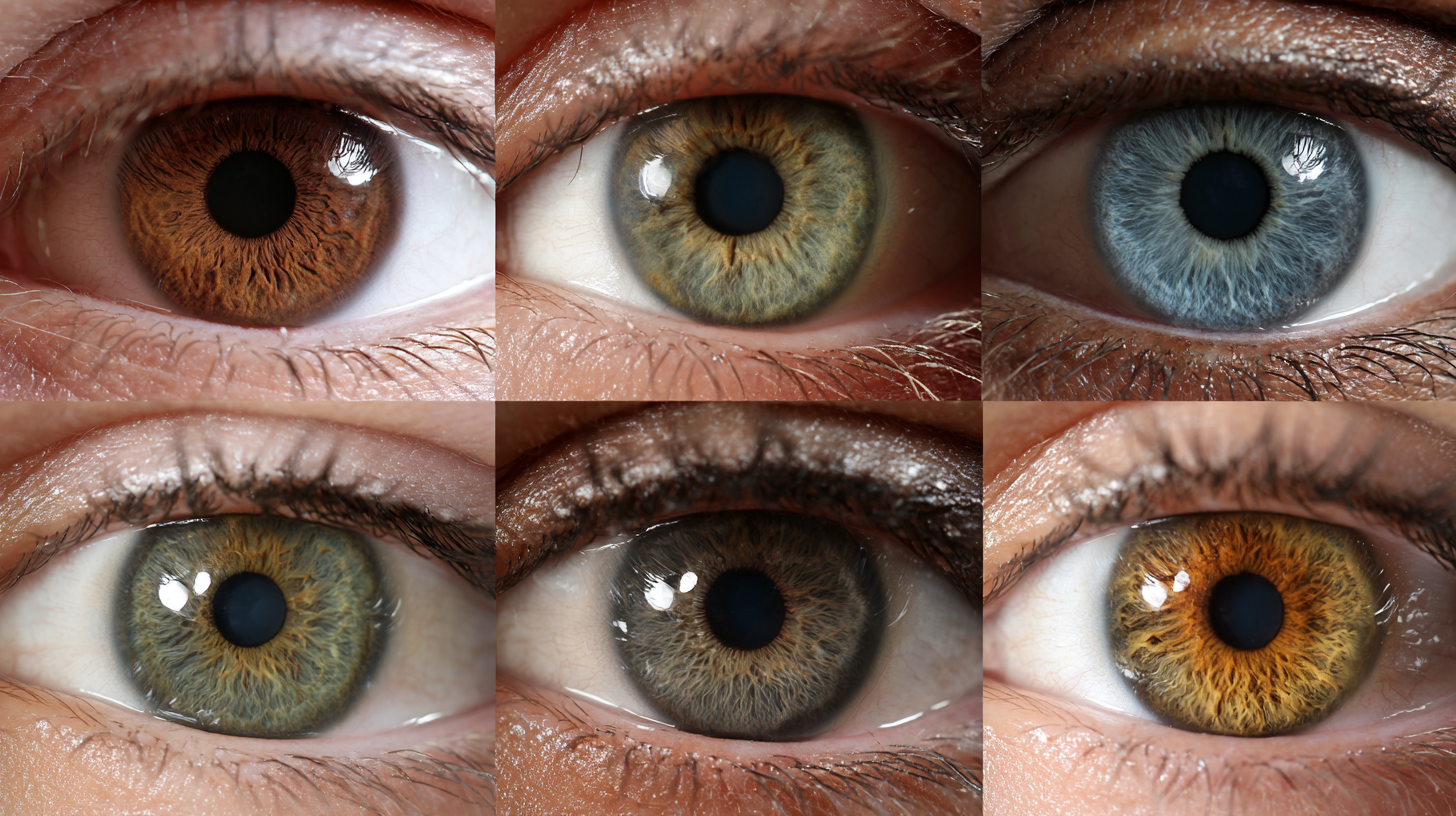
What causes eye color to change in adults? It’s a question that surprises many people — most of us assume our eye color is fixed for life after childhood. And for the vast majority, it is. But for some adults, eye color does shift — sometimes subtly, sometimes significantly — and the reasons range from completely harmless to medically important.
This guide covers the seven real causes of eye color change in adults: which ones are normal, which ones require a doctor’s visit, and how to tell the difference.
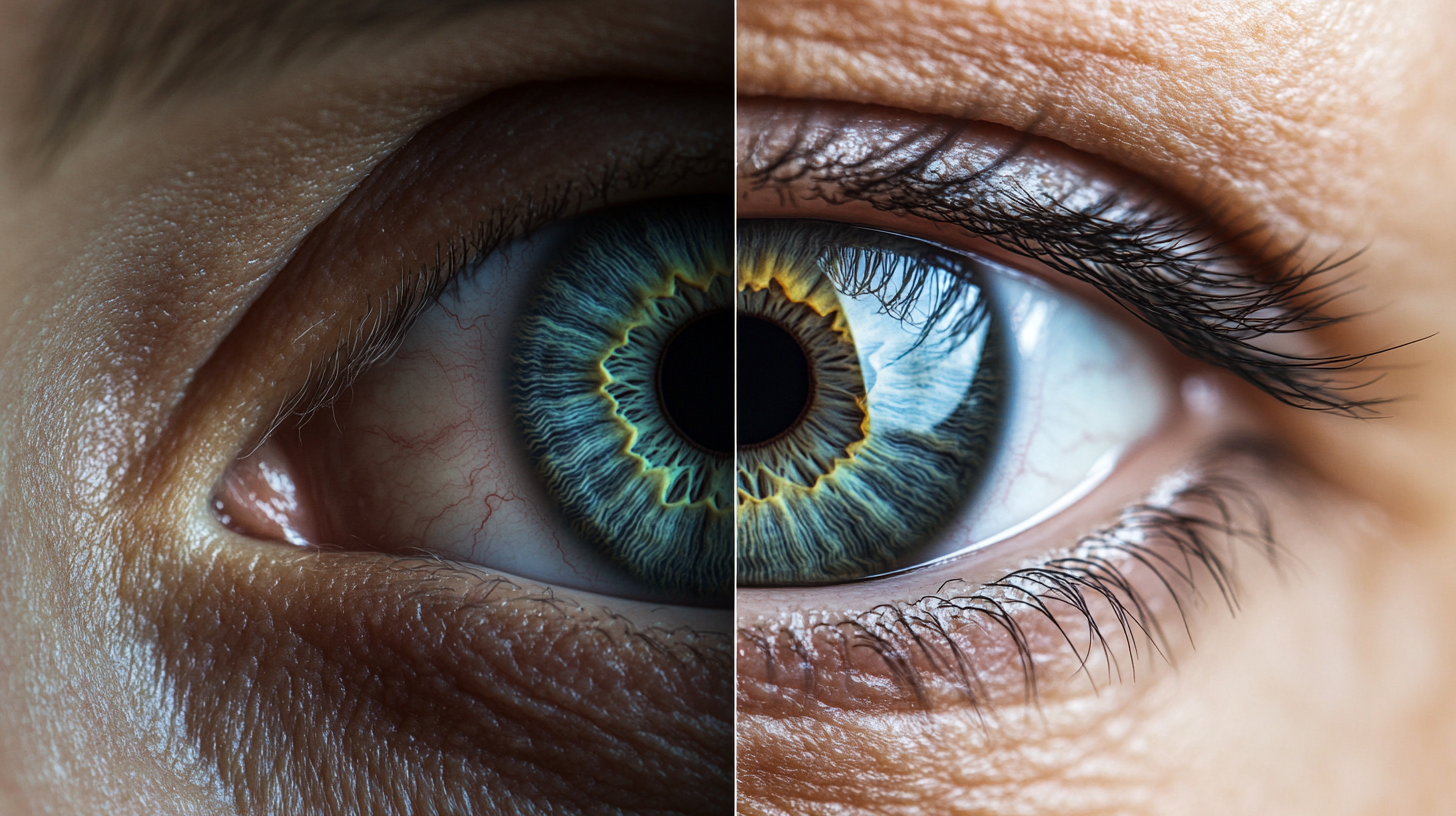
Can Eye Color Actually Change in Adults?
The short answer is: yes, but rarely, and usually for a specific reason.
Most people stabilize their permanent eye color by around age 6. After that, the iris pigmentation typically stays consistent for life. However, a subgroup of 10–15% of Caucasian adults experience gradual, subtle shifts in eye color throughout adulthood — usually a slight lightening as they age. And in rarer cases, more significant color changes can occur as a result of medical conditions, medications, or trauma.
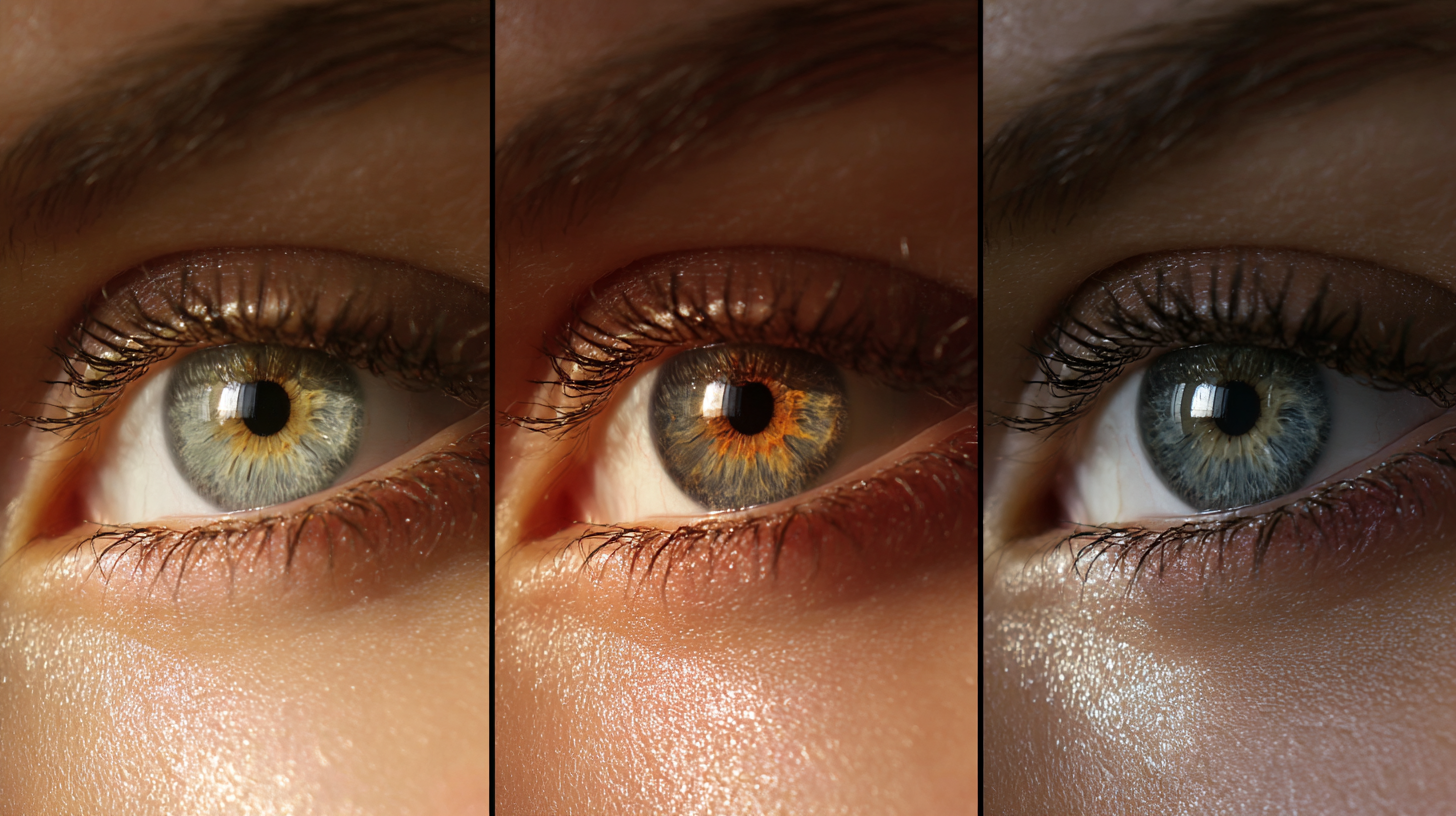
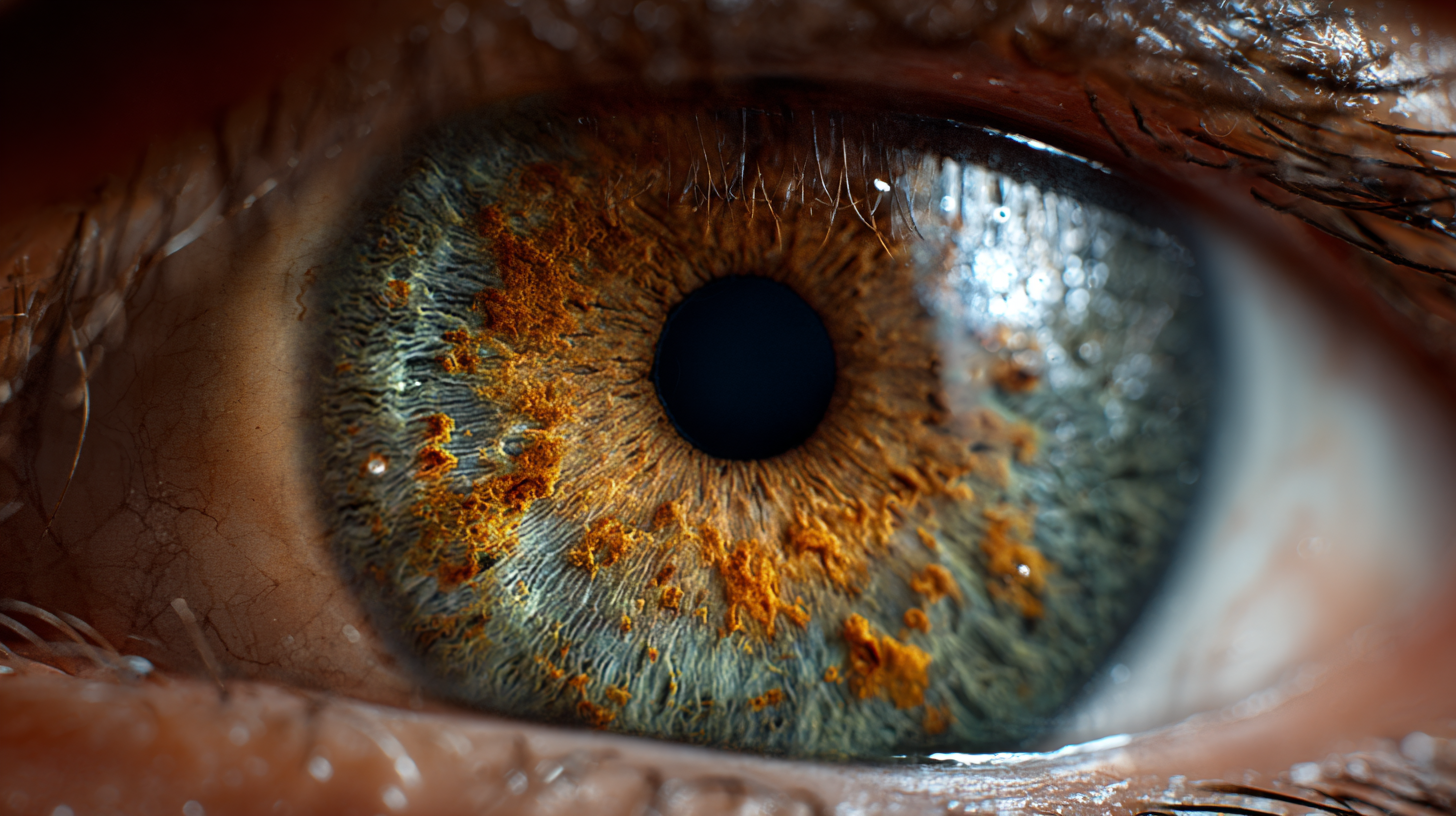
It’s also important to distinguish between eyes that actually change color (a real shift in iris pigmentation) and eyes that appear to change color (an optical effect caused by lighting, pupil size, or clothing). The latter is extremely common and completely normal. The former is rare and worth understanding.
7 Causes of Eye Color Change in Adults
1. Aging
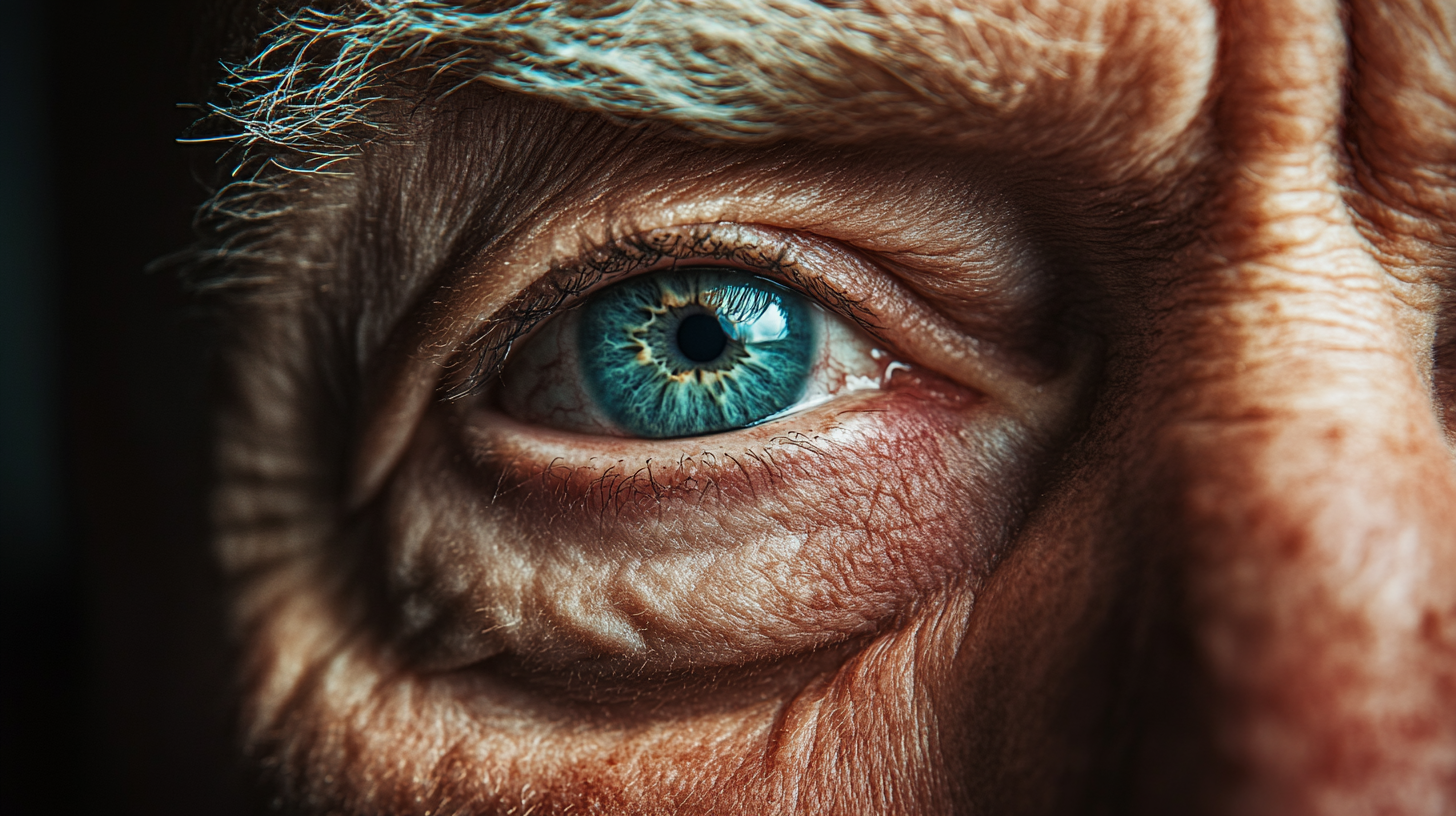
The most common cause of genuine eye color change in adults is the natural aging process. As people get older, the melanin-producing cells in the iris (called melanocytes) can become less active. This gradual decrease in melanin causes eyes to lighten slowly over decades.
This lightening effect is most noticeable in people with naturally lighter eyes — blue, green, or hazel. Dark brown eyes rarely show visible change because the high melanin concentration provides a more stable base. The change is gradual enough that most people don’t notice it without comparing photos from 20 years apart.
Age-related lightening is harmless and requires no treatment.
2. Sun Exposure
Prolonged exposure to UV light can stimulate melanin production in the iris, causing eyes to gradually darken over years. This is the same mechanism by which skin tans in sunlight. The effect is subtle and typically only visible in people with light-colored eyes who spend significant time outdoors without UV protection.
Sun exposure can also cause “eye freckles” — small, flat brown spots called iris nevi that appear on the iris surface. These are generally harmless, similar to skin freckles, but should be monitored by an eye doctor since they can rarely develop into melanoma.
This is one reason why ophthalmologists recommend UV-protective sunglasses even on overcast days.
3. Glaucoma Medications
One of the most well-documented causes of permanent eye color change in adults is a class of glaucoma eye drops called prostaglandin analogs. These include latanoprost, bimatoprost, travoprost, and related medications.
These drops stimulate melanin production in the iris, causing gradual but permanent darkening — usually making light brown, green, or blue-green eyes turn darker brown over months to years of use. The effect is particularly noticeable when the medication is used in only one eye, resulting in visibly different eye colors between the two eyes.
This color change is a known, permanent side effect. If you’re prescribed these medications, your eye doctor should discuss this in advance. The color change itself is not dangerous, but it cannot be reversed if you stop the medication.
4. Eye Trauma or Injury
Physical injury to the eye — from blunt trauma, a penetrating wound, or a chemical burn — can permanently alter eye color by disrupting the iris tissue and its blood vessels. Two specific changes can occur:
- Siderosis: Iron deposits from a retained metallic foreign body can stain the iris a reddish-brown color
- Iris atrophy: The iris tissue can thin after trauma, causing the eye to appear lighter as more light reflects from the underlying layers
Any lasting color change after an eye injury requires prompt evaluation by an ophthalmologist, as it can indicate hidden complications like angle-recession glaucoma.
5. Medical Conditions
Several medical conditions can cause visible changes in eye color:
Fuchs Heterochromic Iridocyclitis (FHI): A chronic, low-grade inflammation of the iris that causes progressive loss of iris pigmentation. Over time, the affected eye becomes lighter. FHI can also cause cataracts and, if untreated, glaucoma. Symptoms are often subtle until advanced.
Pigment Dispersion Syndrome: A condition where pigment granules shed from the back of the iris and disperse into the eye, causing iris atrophy and potential lightening of eye color. Can lead to elevated eye pressure and glaucoma.
Horner’s Syndrome: Nerve damage (usually from stroke or injury) affecting one side of the face can cause iris depigmentation on the affected side, making one eye lighter than the other. Often accompanied by a drooping eyelid and smaller pupil.
Neurofibromatosis: This genetic condition causes Lisch nodules — small brown bumps on the iris surface — which can make the eye appear darker or speckled.
Eye Melanoma: A rare but serious condition where a tumor develops in the eye. Changes in iris color or appearance can be an early sign. Any unexplained darkening of one iris should be evaluated urgently.
6. Hormonal Changes
Some research suggests that hormonal shifts — particularly during puberty, pregnancy, or menopause — may influence iris pigmentation in some people. In one study, approximately 15% of Caucasian adolescents showed measurable lightening or darkening of eye color during puberty. The proposed mechanism involves sex hormones affecting the expression of melanin-related genes.
Hormonal eye color changes are typically subtle and gradual. Pregnancy-related changes, if they occur, usually normalize postpartum.
7. Optical Illusions (Not True Color Changes)
Many perceived eye color changes aren’t real changes at all — they’re optical effects that make the same iris appear different in different situations. These include:
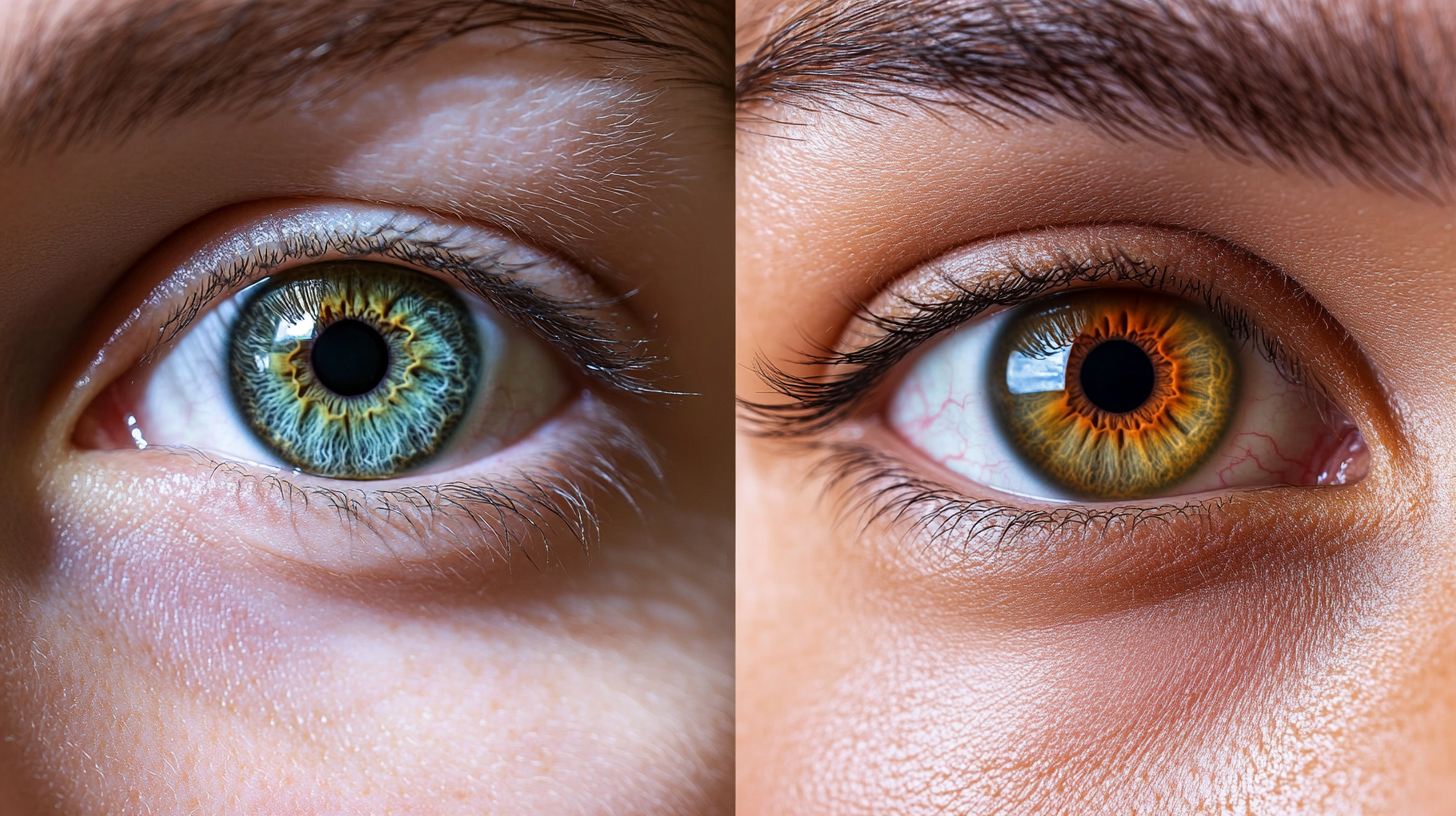
- Lighting: Different light sources (natural, fluorescent, warm indoor) dramatically affect how iris color appears. This is particularly pronounced in hazel eyes, which contain multiple tones that respond differently to light.
- Pupil size: A dilated pupil covers more of the iris, changing the visible ratio of color zones. Emotions, dim light, and certain medications all cause pupil dilation.
- Clothing and surroundings: Colors in the environment create contrast effects that make certain iris tones more prominent.
- Crying: Crying causes redness in the sclera (white of the eye), which creates contrast that can make the iris color appear more vivid or slightly different.
When Should You See a Doctor?
Not all eye color changes require medical attention — but some do. Here’s a practical guide:
See a doctor promptly if:
- Only one eye changes color suddenly
- The change is rapid (days or weeks, not years)
- The change accompanies pain, vision changes, or light sensitivity
- You notice a new dark spot or growth on the iris
- The change follows an eye injury
- One pupil appears different from the other
Monitoring is fine if:
- The change is very gradual over many years
- Both eyes are affected equally
- You’re on prostaglandin glaucoma medication and your doctor has discussed this side effect
- The “change” only happens in certain lighting and returns to normal otherwise
Eye Color Change vs. Apparent Color Change: How to Tell the Difference
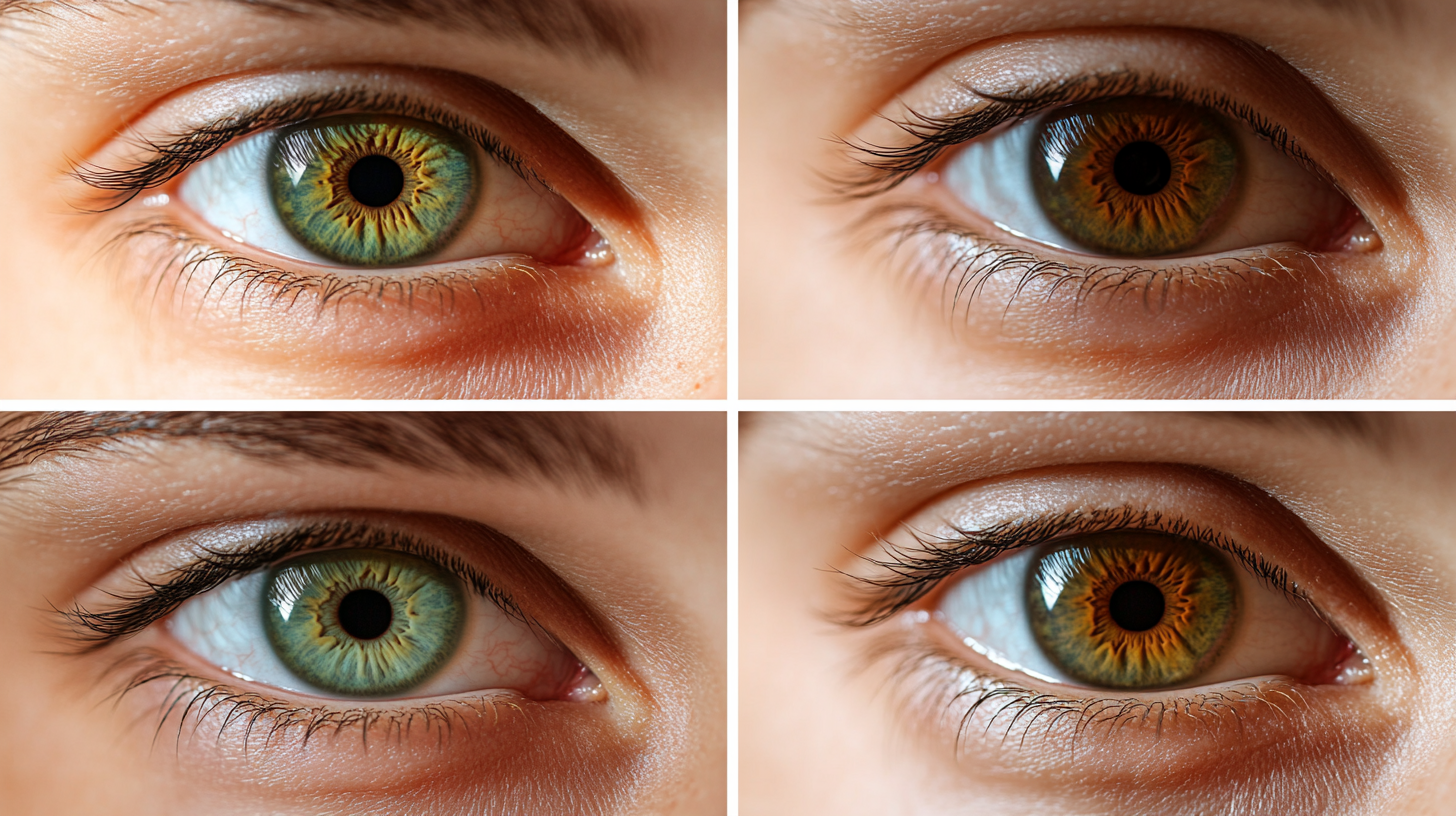
The easiest test: photograph your eyes in consistent natural daylight at multiple points in time. Genuine color change will be visible in consistent lighting conditions comparing photos from different years. Apparent color change will look the same when photos are taken under identical conditions.
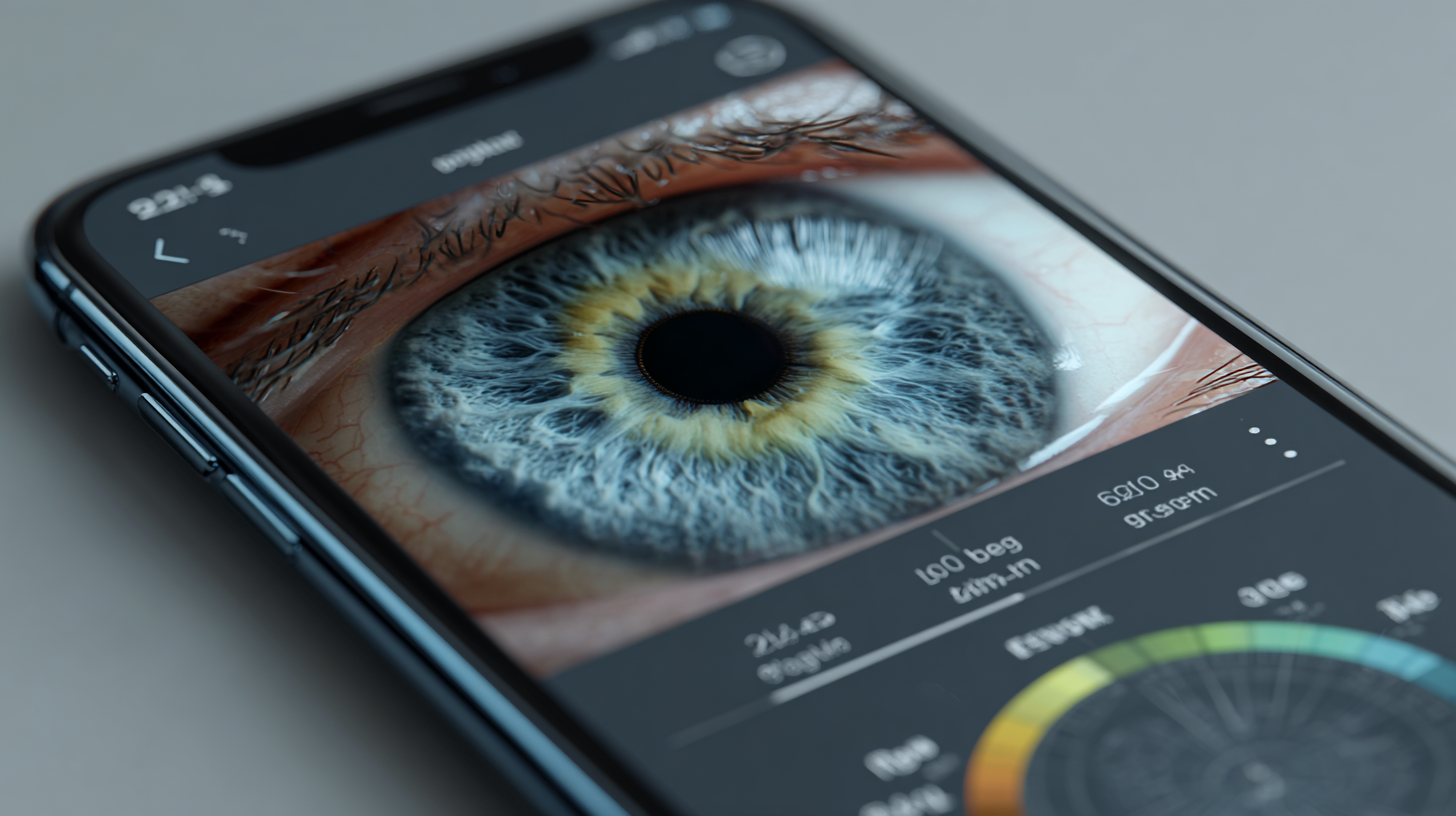
If you want to identify your current eye color accurately — including detecting subtle changes over time — an AI eye color identifier can analyze your iris at a pixel level and give you a precise color breakdown to compare against.
Eye Color Identifier App
Track Your Eye Color Over Time
Upload a photo and get a precise iris analysis — detect subtle changes, measure color percentages, and compare over time.
Download on App StoreFree · iOS · No login required
Frequently Asked Questions
Is it normal for eye color to change in adulthood?
Minor, gradual changes are normal in 10–15% of Caucasian adults, usually a slight lightening with age. Sudden, significant, or one-sided changes should be evaluated by an eye doctor as they can indicate medical conditions.
Can stress change your eye color?
Stress doesn’t directly change iris pigmentation. However, stress causes pupil dilation (through adrenaline), which changes the visible proportion of iris colors and can make eyes appear darker or more intense. This is an apparent change, not a real one.
Can diet affect eye color?
No credible scientific evidence supports the idea that specific foods can change iris pigmentation in adults. Claims about spinach, olive oil, or honey changing eye color are not supported by peer-reviewed research.
Do hazel eyes change color more than other eye colors?
Hazel eyes don’t change more — but they appear to change more, because their multi-toned iris responds more dramatically to different lighting and environments. The melanin doesn’t actually shift; the apparent color changes because different tones become more or less visible depending on conditions.
Can eye color change permanently from crying?
No. Crying causes temporary redness in the sclera which creates contrast that makes the iris appear more vivid. Once the redness fades, the eye color returns to its baseline. No permanent pigment change occurs.
What medications cause eye color to change?
The main documented medications are prostaglandin analog glaucoma drops (latanoprost, bimatoprost, travoprost). These can cause permanent darkening of the iris, especially in light-colored eyes. Some eyelash growth serums containing prostaglandins have also been reported to cause changes when they contact the eye directly.
 [IMAGE 1 HERE]