You’ve stared into the mirror a hundred times, and you still can’t quite decide: what color are my eyes, exactly? Are they green or hazel? Blue or gray? The answer is often more nuanced than you’d expect — and more interesting than you might think.
This guide covers everything you need to know about eye color: what determines it, how to identify your exact shade, why your eyes might seem to change color, and how to get a precise answer using today’s AI technology.
What Determines Your Eye Color?
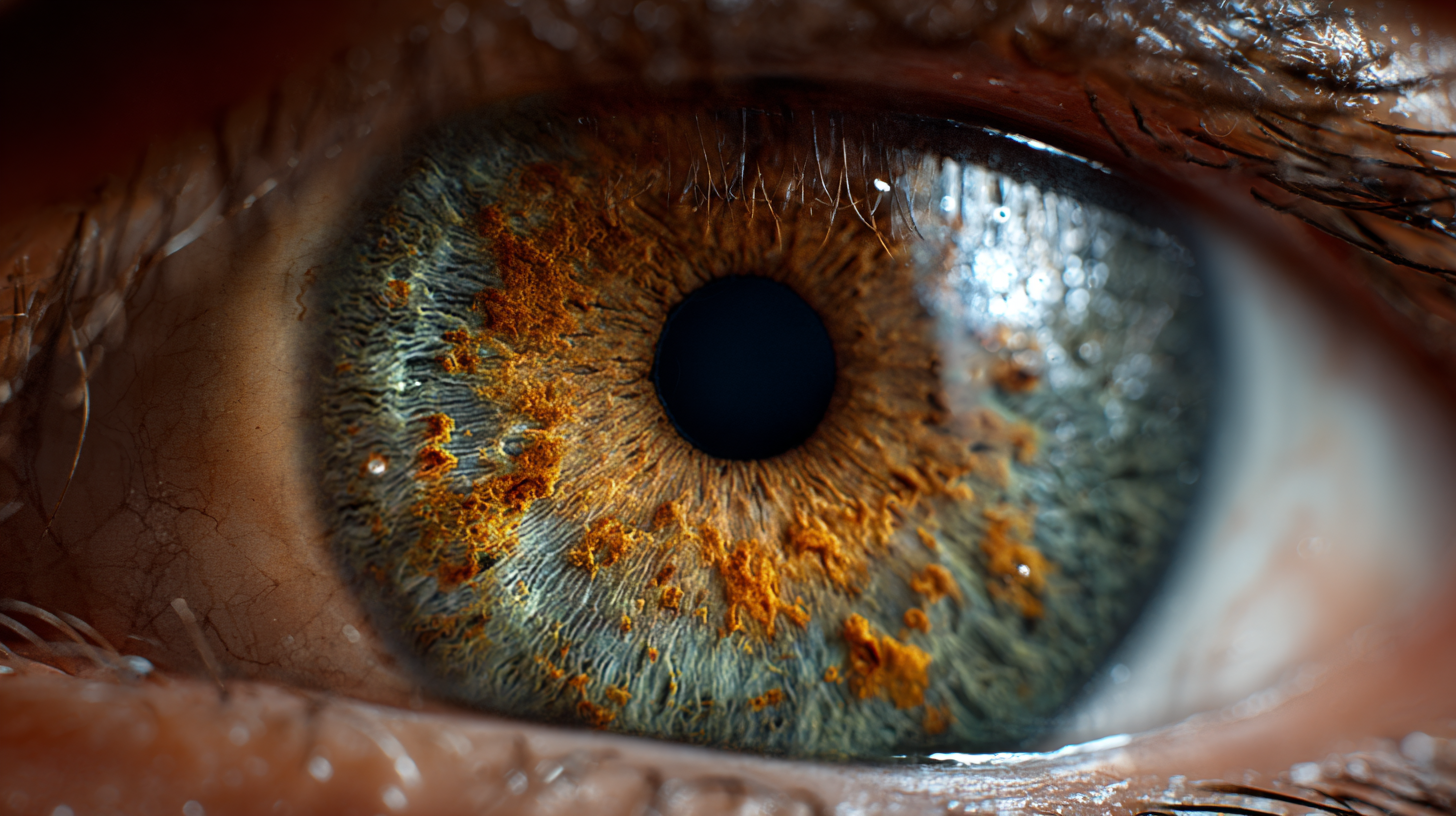
Eye color comes down to one key factor: melanin. This is the same pigment that determines your skin and hair color. The more melanin you have in the front layer of your iris (called the stroma), the darker your eyes will be.
More melanin = brown or dark eyes. Less melanin = blue, gray, or green eyes.
The science gets more complex from there. Multiple genes control melanin production, which is why two blue-eyed parents can sometimes have a brown-eyed child, and why no two people — not even identical twins — have exactly the same eye color.
Your iris also has two layers, each capable of containing different amounts of pigment. This is why some people see multiple colors in their eyes simultaneously — patches of brown near the pupil surrounded by green or gray toward the outer edge. That specific pattern is called central heterochromia, and it’s more common than most people realize.
The 7 Main Eye Colors Explained
Brown Eyes
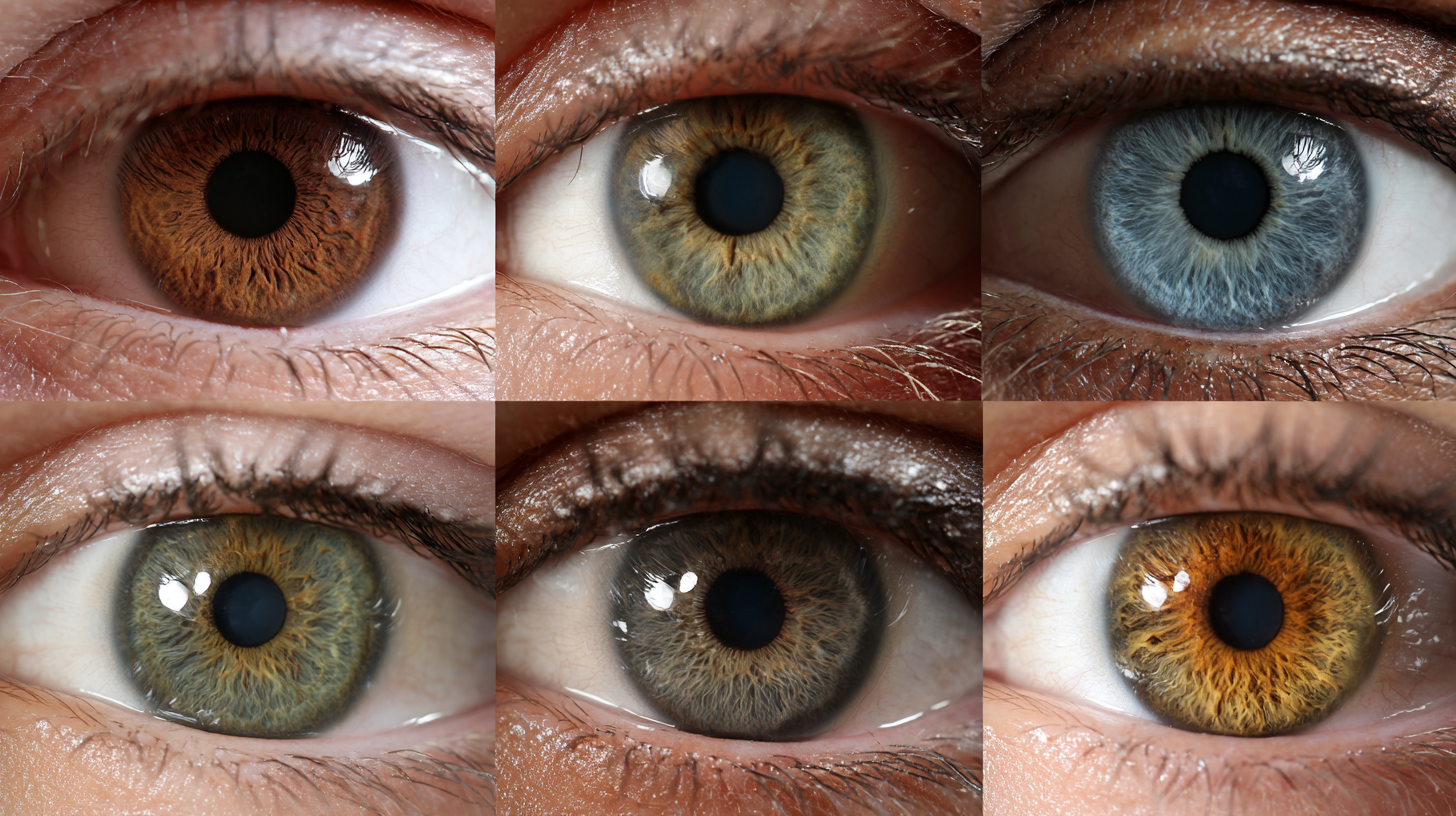
The most common eye color worldwide. The share is usually put somewhere between 70% and 80%, though that is a repeated estimate rather than a measured count — no global census of eye colour exists. Brown eyes contain high levels of melanin in the front iris layer. Shades range from light honey-brown to nearly black. Most common in Africa, Asia, and South America.
Blue Eyes
Estimated at somewhere under a tenth of people and concentrated in Northern Europe; published shares differ between sources. Blue eyes have very little melanin in the front of the iris — the blue color comes from light scattering (the same phenomenon that makes the sky look blue). Interestingly, all blue-eyed people share a common ancestor who developed a single genetic mutation thousands of years ago.
Green Eyes
The rarest of the common eye colors — commonly estimated at around 2% worldwide, on the same uncertain basis as the other shares on this page. Green eyes result from a combination of low melanin and a yellow pigment called lipochrome. Most prevalent in Northern and Central Europe.
Hazel Eyes
Hazel eyes contain a mix of brown, green, and gold throughout the iris, often appearing to shift color depending on lighting and clothing. About 5% of people have hazel eyes. They’re most common in the Middle East, North Africa, and Brazil.
Gray Eyes
Often confused with blue or blue-green, gray eyes have very little melanin. The gray color comes from light interacting with collagen fibers in the iris stroma. True gray eyes are relatively rare and are most common in Northern and Eastern Europe.
Amber Eyes
A solid golden or copper color, without the green and brown flecks typical of hazel eyes. Amber eyes result from a high concentration of melanin combined with a yellow pigment in the front iris layer. Found in about 5% of people, most commonly in Pakistan, France, Italy, and Hungary.
Black Eyes
What appears as black is actually an extremely dark shade of brown with such high melanin concentration that the iris is nearly indistinguishable from the pupil. True black eyes are rare; most very dark eyes are deep brown.
Why Do My Eyes Seem to Change Color?
If you’ve noticed your eyes looking different depending on the day, you’re not imagining it. Several factors can make eye color appear to shift:
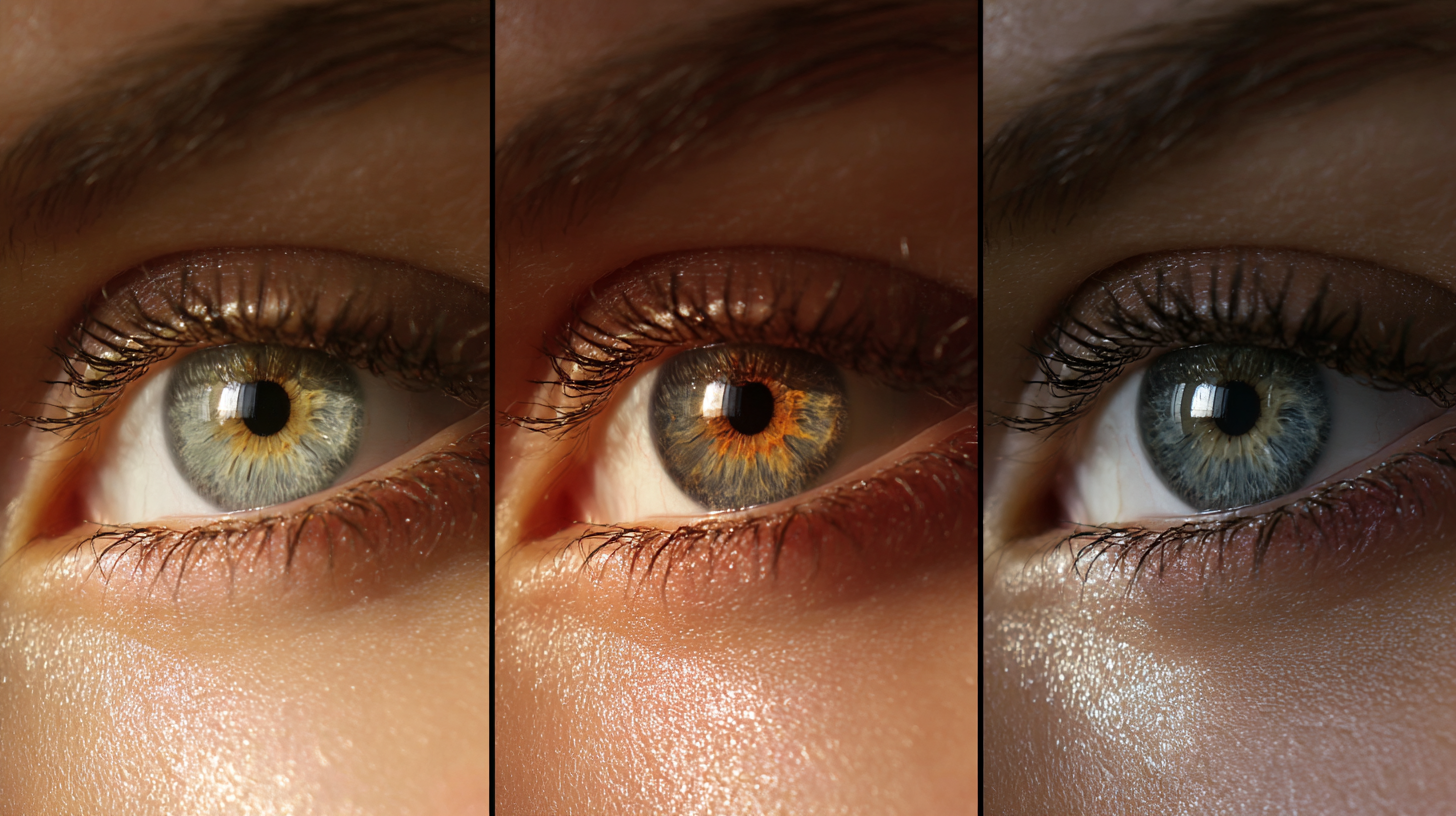
- Lighting: Natural daylight reveals your true eye color most accurately. Artificial lighting — especially fluorescent or warm indoor light — can distort perceived color significantly.
- Clothing: The colors you wear reflect onto your iris, subtly influencing how your eye color appears to others.
- Pupil size: When your pupils dilate (in low light or emotional arousal), they cover more of the iris, making your eyes appear darker overall.
- Emotions: Strong emotions can cause pupil dilation, which affects perceived eye color.
- Age: Eye color can change naturally, especially in early childhood (many babies are born with blue eyes that darken in the first year) and in older adults.
How to Determine Your Eye Color Accurately
Getting a definitive answer to “what color are my eyes?” is harder than it sounds. Here are the most reliable methods, from least to most accurate:
Method 1: Natural Light Check
Stand near a window in natural daylight (not direct sunlight). Look straight into a mirror. Natural light gives you the most neutral, accurate view of your iris without the distortion of artificial lighting.
Method 2: Eye Color Chart
Compare your iris to a standardized eye color chart. This works reasonably well for common colors like brown or blue, but struggles with complex shades like hazel-green or blue-gray where the difference is subtle.
Method 3: Photo Analysis
Take a close-up photo of your eye in natural light. Zoom in and compare to reference images. This method helps you see details — like secondary color rings or pigment flecks — that you might miss in a mirror.
Method 4: AI Eye Color Identifier App
The most accurate and detailed option available today. An AI-powered app analyzes your iris at a pixel level, detecting not just the dominant color but secondary tones, pigment distribution, and rare patterns like heterochromia. You get results in seconds, with a full breakdown of your iris composition.
Eye Color Rarity: How Common Is Yours?
Curious how rare your eye color is? Here’s a breakdown of global eye color distribution. Read these as commonly cited estimates rather than measured counts: no global census of eye color exists, the boundary between hazel, amber and brown is a judgement call, and published shares differ noticeably between sources.
- Brown: 70–80% of the world population
- Blue: 8–10%
- Hazel/Amber: 5% each
- Green: 2%
- Gray: 1–2%
- Heterochromia (two different colors): rare — commonly quoted at well under 1%, with no source agreeing on a figure
So if you have green eyes, you are in a small minority worldwide — the figure usually quoted is about 2%, and grey is rarer still. And heterochromia — where each eye is a different color — is among the rarest traits in humans.
Can Eye Color Change After Birth?
Yes — but usually only in specific circumstances:
In infancy: Most babies in Northern European families are born with blue or gray eyes. As melanin production increases in the first year of life, many of these eyes darken to brown, hazel, or green. Eye color typically stabilizes by age 3.
With age: Some adults experience gradual lightening or darkening of eye color as melanin distribution changes. This is usually subtle and happens over years.
With medication or illness: Certain glaucoma medications, Horner syndrome, and other conditions can alter eye color. If you notice a sudden, unexplained change in your eye color, consult an eye doctor.
What Your Eye Color Might Say About Your Health
Eye color isn’t just cosmetic — researchers have identified several connections between iris pigmentation and health factors:
- Brown eyes may be associated with a slightly higher risk of cataracts.
- Blue eyes are linked to higher light sensitivity due to lower melanin (less natural UV protection in the iris).
- Light eyes may carry a slightly higher risk of age-related macular degeneration.
- Dark eyes provide more natural protection against UV-related eye damage.
None of these associations mean you need to take action — they’re statistical trends, not individual diagnoses. Regular eye exams matter far more than your eye color for maintaining eye health.
Find Out Your Exact Eye Color with AI
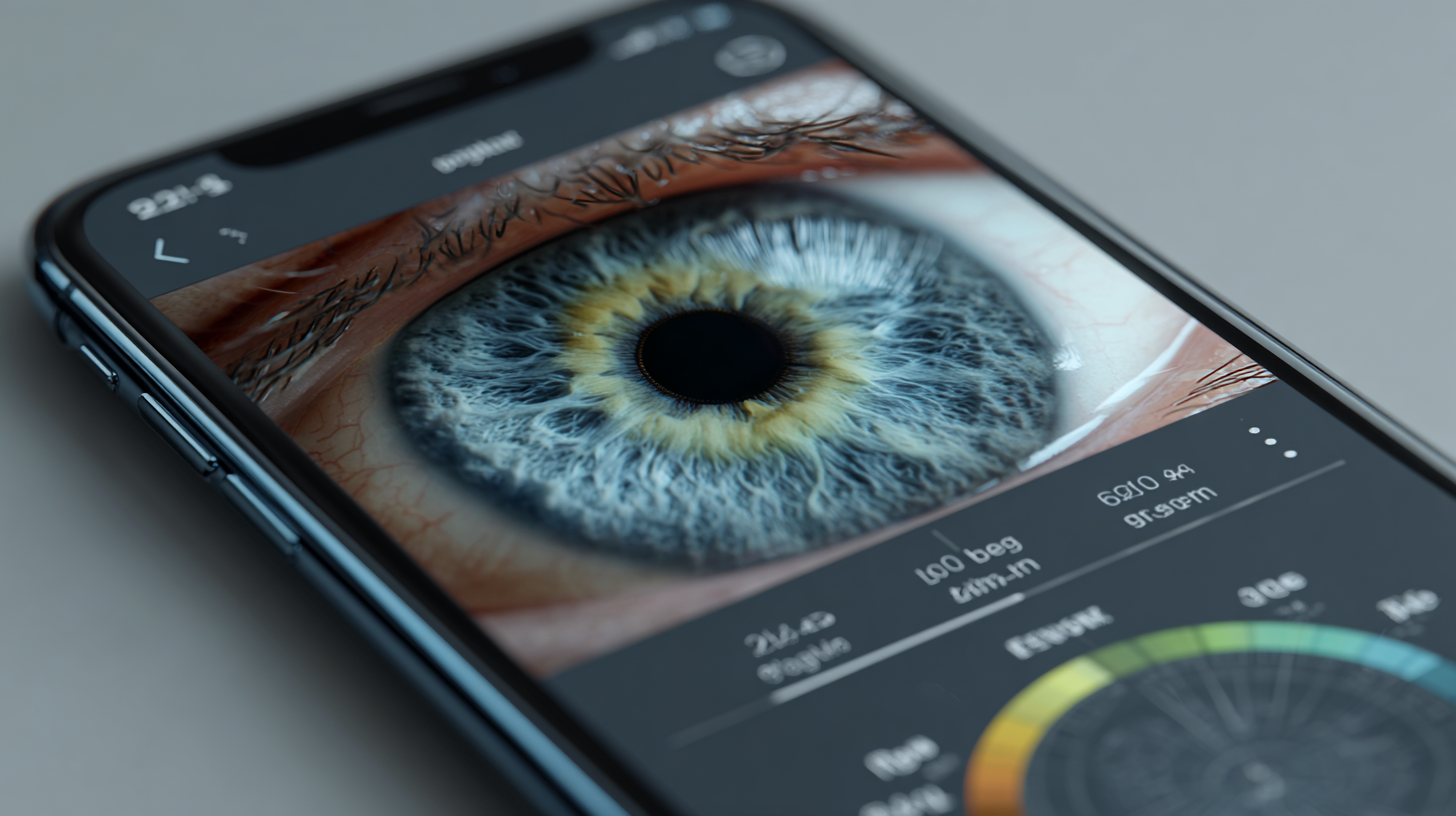
The fastest and most precise way to answer “what color are my eyes?” is to use an AI eye color identifier. Instead of guessing from a chart or squinting in a mirror, you simply take a photo of your eye and let the app analyze your iris in detail.
The Eye Color Identifier app does exactly this — and goes further. It detects your primary eye color, secondary tones, iris pattern structure, and even gives you a rarity score showing how your eye color compares to the global population. You can also try virtual contact lens colors on your own photo to see how different shades would look on you.
Eye Color Identifier App
Finally Know Your Exact Eye Color
Upload a photo and get a full iris analysis in seconds — color, rarity score, celebrity match, and more.
Download on App StoreFree · iOS · No login required
Frequently Asked Questions
What is the rarest eye color?
True green eyes are among the rarest, found in only about 2% of people. Gray eyes are similarly rare. The absolute rarest is heterochromia — two different eye colors — which every source places well under 1%, without agreeing on a figure.
Can two brown-eyed parents have a blue-eyed child?
Yes. Because multiple genes control eye color, two brown-eyed parents who both carry recessive blue-eye genes can produce a blue-eyed child. Eye color inheritance is more complex than the simple dominant/recessive model most people learned in school.
Why do my eyes look different in photos than in the mirror?
Camera flash, lighting conditions, and the direction of light all affect how eye color appears in photos. For the most accurate color, photograph your eye in natural daylight without flash.
Can eye color change with mood or emotions?
Not directly. Strong emotions like excitement or sadness cause the pupils to dilate, which makes the iris appear smaller and can make your eye color look slightly darker or more saturated. The pigment itself doesn’t change.
What’s the difference between hazel and green eyes?
Green eyes are a solid, uniform green color with little variation. Hazel eyes contain a mixture of green, brown, and gold with visible flecks — and often appear to shift color in different lighting. If your eyes look brown near the pupil and green toward the edge, you likely have hazel eyes.
How accurate are AI eye color identifier apps?
Modern AI apps analyze iris pigmentation at a pixel level, making them significantly more accurate than visual comparison methods. They can detect secondary tones and subtle variations that are nearly impossible to identify with the naked eye.