Eye Color Guide
Rarest Eye Color: How to Compare and Identify Eye Color
Learn which eye colors are considered rarest, how to compare blue, green, hazel, gray, and brown eyes, and how to identify your true eye color with simple visual tips.
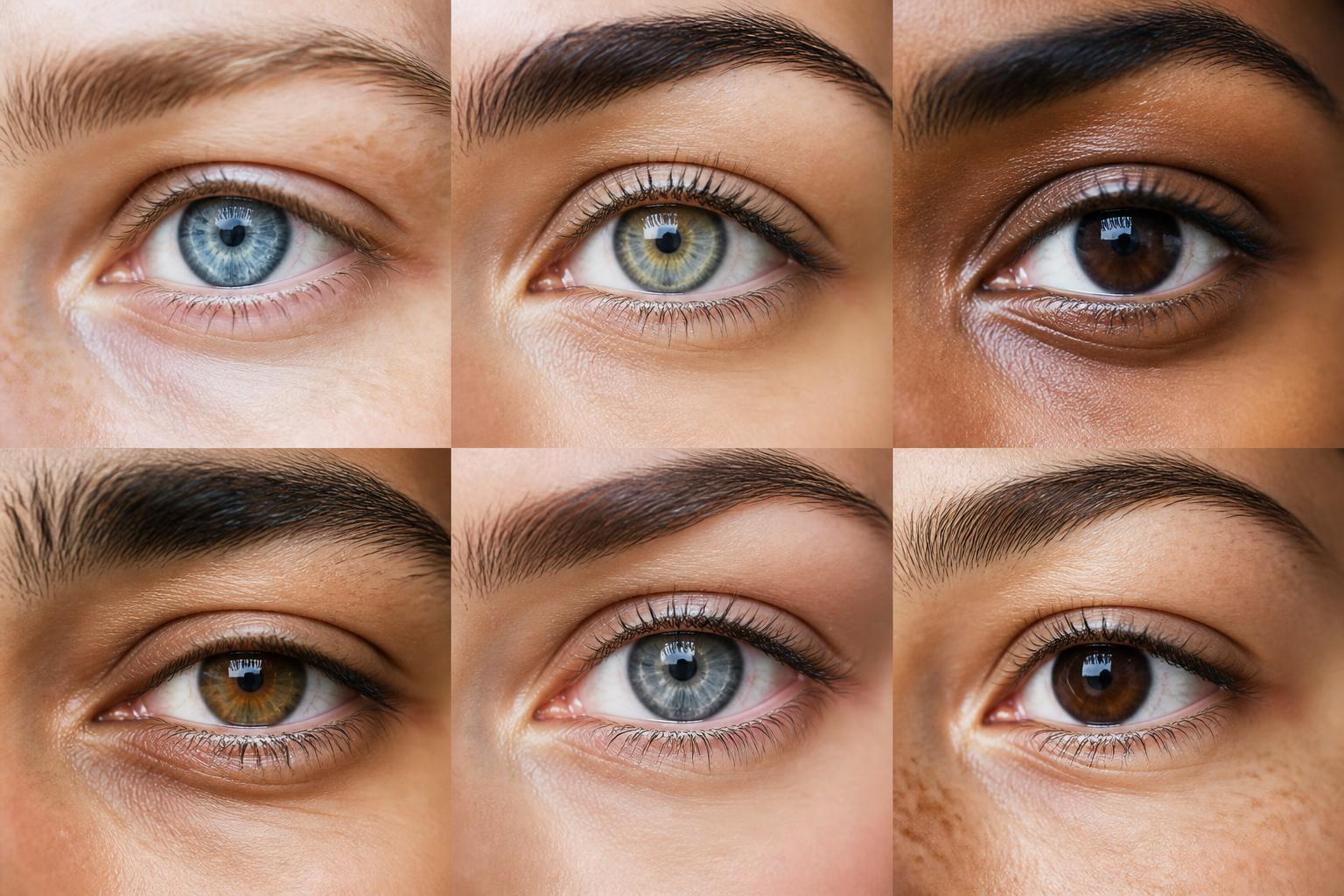
If you have ever wondered about the rarest eye color, the answer is a little more interesting than a simple one-color ranking. Eye color can look different depending on lighting, makeup, clothing, camera settings, and even the colors around your face. That is why comparing eye color carefully matters before you decide whether someone has green, hazel, gray, or blue eyes.
In this guide, we will look at the rarest eye color, how eye color rarity is usually discussed, and simple ways to identify your own eyes more accurately. If you want to check your eye color visually, you can also use the Eye Color Identifier app for a quick comparison tool.
What is the rarest eye color?
In most population estimates, green eyes are often considered the rarest common eye color. That is why people frequently search for the rarity of green eyes or ask whether green is the rarest eye color overall. While exact percentages vary by region, green eyes are generally less common than brown, blue, hazel, and gray.
That said, “rarest” depends on what you are comparing:
- Brown eyes are the most common worldwide.
- Blue eyes are common in some populations but rare globally compared with brown.
- Green eyes are usually discussed as the rarest common eye color.
- Gray eyes are very uncommon and often grouped with blue-gray variations.
- Hazel eyes are also relatively uncommon and can be harder to classify because they shift in different light.
So when people ask about the rarest eye color, the honest answer is: green is often cited as the rarest common eye color, but gray eyes can be extremely uncommon too, and exact rarity depends on how the eye is categorized.
Eye color rarity at a glance
Here is a simple comparison of common eye colors and how they are usually described in terms of rarity.
| Eye color | General rarity | Notes |
|---|---|---|
| Brown | Most common | Most widely seen globally. |
| Blue | Uncommon in many regions | Common in some populations, rare globally. |
| Hazel | Less common | Often includes a mix of brown, green, and gold tones. |
| Green | Rare | Frequently cited as the rarest common eye color. |
| Gray | Very rare | Often confused with blue or blue-gray eyes. |
This table is a helpful starting point, but it does not replace a careful visual check. Many people have eyes that fall between categories, especially when the iris contains multiple colors.
Why eye color can be hard to identify
Eye color is not always a single flat shade. The iris can contain rings, flecks, and gradients that change how the color appears. This is one reason the eyes color rarity conversation can get complicated: the same eyes may look blue in one photo and gray or green in another.
Common reasons eye color can be tricky to identify include:
- Lighting: Bright daylight can make eyes look lighter, while indoor lighting may make them appear darker.
- Clothing colors: Certain shirt colors can reflect onto the face and change how the iris looks.
- Pupil size: A larger pupil can make the iris seem narrower and darker.
- Hair and makeup: These can influence contrast and how the eye color stands out.
- Mixed tones: Hazel, central heterochromia, and gray-blue eyes often show more than one shade.
When comparing eye color, look at the iris in natural light and avoid judging from a single photo filter or indoor snapshot.
How to compare eye colors correctly
If you want to identify your eye color more accurately, use a consistent comparison method. This is especially useful when deciding whether your eyes are green, hazel, gray, or blue.
Simple comparison steps
- Stand near a window or go outside in indirect daylight.
- Remove tinted glasses or strong filters from photos.
- Look closely at the iris, not just the outer ring.
- Check for gold, brown, olive, blue, or silver-gray tones.
- Compare both eyes, since they may not look exactly identical.
- Take a few photos in the same lighting for a better side-by-side review.
If your eyes seem to shift between colors, that does not automatically mean anything unusual. It often means your iris has a mix of pigments and light scattering effects.
Are gray eyes rare?
Yes, gray eye color rare is a fair way to describe this shade. Gray eyes are often considered one of the rarest natural eye colors, though they can be difficult to count separately from blue-gray or steel-blue eyes. That is why people often ask, “gray eyes how rare?” or search for “grey eyes rare.”
Gray eyes tend to show a cool, muted appearance and may reflect light in a way that makes them seem almost silvery. In some cases, they can look blue in bright light and darker gray indoors.
Because gray is so easy to mix up with blue, some rarity estimates depend on how strictly the color is defined. This is why it helps to use clear visual features instead of relying on a quick glance.
Are hazel eyes rare?
Hazel eyes are rare compared with brown eyes, but they are not usually ranked as rare as green or gray in most eye color discussions. Hazel eyes often have a blend of brown, green, and amber tones, which can make them look different from one setting to another.
Many people describe hazel eyes as:
- gold-brown near the pupil
- green around the outer iris
- shifting in different lighting
- hard to place in a single category
If your eyes seem to contain both green and brown, hazel is often the best place to start. For a more detailed visual comparison, you may also find the Hazel Eyes: Color, Rarity, Meaning & Examples guide useful.
Green eyes and rarity
Green eyes are often the first answer when someone asks about the rarest eye color. They are especially notable because true green irises are less common than many people expect. The color can appear as soft olive, bright emerald, or a muted green-gold depending on lighting and surrounding colors.
If you are trying to tell green apart from hazel, look for this difference:
- Green eyes usually appear more consistently green across the iris.
- Hazel eyes often contain a stronger brown or amber base.
For a deeper breakdown of how green eyes compare visually, see the Eye Color Green: How to Compare and Identify Eye Color guide.
Can eye color change how rare it looks?
Yes. Eye color can look different even when the underlying iris color stays the same. That does not mean the eye color has changed, only that the appearance has shifted. This is especially true for gray, hazel, and green eyes, which may show strong variation in different lighting.
If you have noticed changes over time, this can be a good time to compare your eyes against a chart or test. The site’s Eye Color Chart: Names, Rarity & All Eye Shades can also help with broader comparison.
How to identify your true eye color
For a more reliable match, combine visual observation with a simple eye color test. A chart can help you compare common shade families, while a test can help you focus on the dominant iris color.
Try this approach:
- Use daylight and a mirror.
- Compare your iris to a chart with blue, green, gray, hazel, and brown examples.
- Check whether your eyes have a dominant base color or a mix of tones.
- Notice whether one eye differs slightly from the other.
You can also try the Eye Color Test: Find Your True Eye Color Online or the broader What Color Are My Eyes? The Complete Guide to Identifying Your Eye Color for a structured comparison.
FAQ about the rarest eye color
What is the rarest eye color overall?
Among common natural eye colors, green is often considered the rarest. Gray eyes can also be very rare, but they are frequently grouped with blue-gray shades, which makes exact ranking difficult.
Are gray eyes rarer than green eyes?
Sometimes they are described that way, but it depends on how the colors are counted. Gray eyes are very uncommon, while green eyes are usually the rarest common eye color in many summaries.
Why do hazel eyes seem to change color?
Hazel eyes contain multiple tones, so they can look greener, browner, or more golden depending on lighting and nearby colors. That change in appearance is normal.
How rare are grey eyes?
Grey eyes how rare depends on the source, but they are generally considered very uncommon. Many people with gray-leaning eyes are categorized as blue-gray or gray-blue instead.
Can I use a photo to identify my eye color?
Yes, but use a clear photo taken in natural light and avoid filters. A direct comparison with an eye color chart or app is usually more reliable than a single casual picture.
Find your eye color with a quick visual check
If you are comparing your own eyes and still not sure whether they are green, hazel, gray, or blue, a structured tool can help. The goal is not to force a perfect label, but to see the dominant color more clearly.
Try the Eye Color Identifier app for a simple comparison and use it alongside the eye color chart for a better visual match. For many people, that combination makes the answer much easier to spot.
When it comes to the rarest eye color, the main takeaway is simple: green is often the rarest common eye color, gray is also extremely uncommon, and hazel can be rare and difficult to classify. The best way to know where your eyes fit is to compare them carefully in natural light and look for the dominant shade, not just the first color you notice.
Try the Whatcoloraremyeyes app
Use the app when you want a faster photo-based check before comparing details manually.