Eye Color Guide
Bluish Hazel Eyes: How to Tell the Blend From Green, Gray, and Gold
Learn how to identify bluish hazel eyes, compare them with green, gray, blue, and gold tones, and use simple lighting tests to spot the blend.
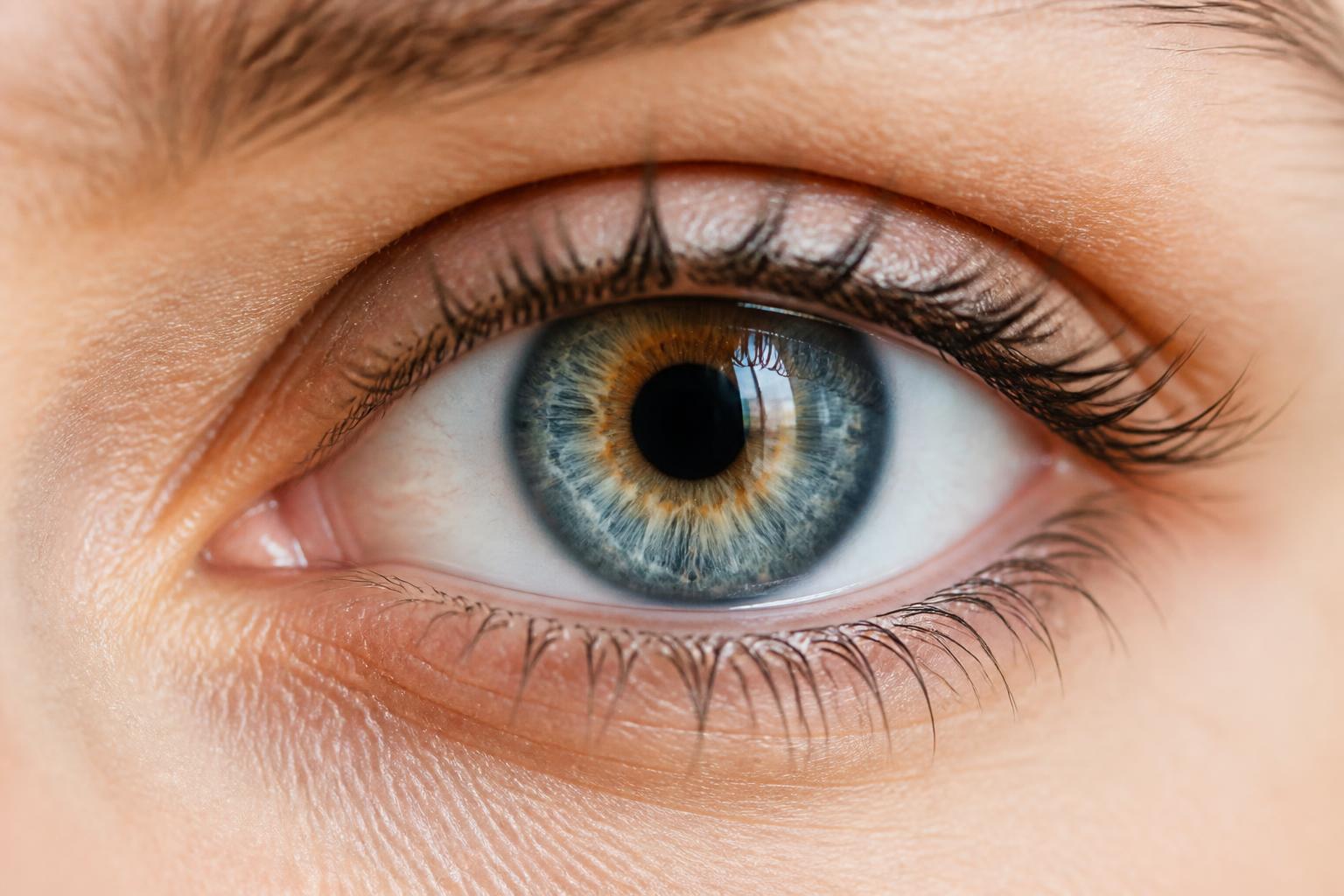
Bluish hazel eyes can look different from one room to the next. In daylight, they may show a cool blue cast around the outer iris. Indoors, they can lean more hazel, with green, brown, or gold mixed into the center. That shifting look is exactly why bluish hazel eyes are so easy to admire and so hard to label at a glance.
If you are trying to compare hazel eyes with blue, green, gray, or gold tones, the key is to look for pattern, balance, and lighting changes—not just the first color you notice. Below, you’ll find a practical way to identify hazel eye color and tell bluish hazel eyes apart from similar shades.
What bluish hazel eyes usually look like
Bluish hazel eyes are not a single flat color. They often combine a cool outer ring or overall blue tint with the warmer mix that is typical of hazel eyes. The result can be a soft, layered look that changes depending on the light, clothing, and background.
Many people use the phrase hazel eye color to describe irises that show more than one visible shade. In bluish hazel eyes, the blue may be stronger at the edge, while the center shows green, gold, or light brown. Some eyes appear more blue-green hazel, while others look closer to gray-blue with a hazel core.
Quick comparison chart: bluish hazel vs. similar eye colors
| Eye color | What you usually see | Best clue |
|---|---|---|
| Bluish hazel eyes | Blue or blue-gray mixed with green, gold, or light brown | Color shifts across the iris, often with a warm center |
| Hazel eyes | Green, brown, and gold blend without a strong blue cast | Warm mix is more obvious than cool blue |
| Blue eyes | Mostly blue, sometimes with a gray or icy tone | Little to no brown or gold in the iris |
| Green eyes | Mostly green with limited brown or gold flecks | Green stays dominant in most lighting |
| Gray eyes | Cool, muted gray, sometimes with blue undertones | Low saturation and little warm pigment |
| Gold hazel eyes | Hazel eyes with strong amber or golden center | Warm gold is more visible than blue |
How to tell bluish hazel eyes from other hazel eye types
Hazel eye types can vary a lot. Some are more green, some are more brown, and some are warm with gold tones. Bluish hazel eyes are usually the cooler version of that mix. If your eyes look hazel but the outer iris seems blue or slate-gray, you may be seeing a bluish hazel pattern.
Here are a few simple comparison points:
- Hazel eyes: usually lean warm overall, with green and brown appearing together.
- Bluish hazel eyes: show a cooler edge or base, often with a hazel center.
- Dark hazel eye: has deeper brown tones and less visible blue or gray.
- Gold hazel eyes: show a stronger amber or honey look than blue.
For a more visual comparison, you can also look at the Hazel Eye Color Chart, which makes it easier to spot the differences between hazel eye color variations.
Simple lighting test: when bluish hazel eyes are easiest to spot
Lighting changes the way eye color appears more than most people expect. If you want to compare colors for hazel eyes accurately, check your eyes in a few settings instead of only one.
- Natural daylight: Stand near a window or outside in indirect sunlight.
- Indoor white light: Compare how the iris looks under neutral lamps.
- Low warm light: Notice whether gold or brown tones become more obvious.
- Against different clothing colors: Blue, gray, and green shirts can make cool tones stand out.
If your eyes look more blue in daylight but more hazel indoors, that is a strong sign of a blended iris rather than a single flat shade.
Bluish hazel eyes often look cooler at the rim and warmer near the center, which creates a layered effect instead of one solid color.
What to look for in the iris pattern
When identifying bluish hazel eyes, look beyond the overall label and study the iris pattern. A few common features can help:
- Outer ring: a blue, blue-gray, or slate edge around the iris.
- Center mix: green, gold, or light brown near the pupil.
- Speckling: tiny gold or brown flecks that add warmth.
- Shifting dominance: one color appears stronger in one light, but weaker in another.
This is why eye color for hazel eyes can be hard to name with just one word. The iris may not stay consistent enough for a single color label to tell the whole story.
Common mix-ups: bluish hazel eyes vs. blue, green, and gray
Many people with bluish hazel eyes are first told they have blue eyes or green eyes. That happens because the cooler tones can be very strong. But there are a few easy ways to compare them.
- Compared with blue eyes: bluish hazel eyes usually have more brown, gold, or green somewhere in the iris.
- Compared with green eyes: bluish hazel eyes often show a cooler rim or overall cast.
- Compared with gray eyes: bluish hazel eyes usually have more visible warmth and pattern variation.
- Compared with amber eyes: bluish hazel eyes are less uniformly golden and usually show more blue.
If you are unsure whether the eye leans more green or hazel, this comparison may help: Green Eyes and Hazel Eyes: How to Compare and Identify Eye Color.
Do bluish hazel eyes change color?
Eyes do not truly change pigment from moment to moment, but they can look different because of light, contrast, clothing, and surrounding colors. That is especially true for hazel eyes and other mixed shades. Bluish hazel eyes may seem more blue in bright daylight and more gold or brown in warm indoor light.
So if your eyes appear to shift, you are usually seeing changes in how the iris reflects light—not a different permanent eye color every hour.
Genetics and why mixed eye colors happen
Eye color is influenced by multiple genes, and the visible result can be a blend of pigment and light scattering. That is why one person may have dark hazel eyes while another has a cooler, bluish hazel look. The exact mix can vary even within the same family.
If you want a broader view of how eye color works, the Eye Color Genetics Chart is a helpful next step. It explains why eye color patterns can vary so much, especially in mixed shades like hazel eye types.
How to compare your eyes at home
Use this simple test if you want to identify bluish hazel eyes more confidently:
- Take a clear photo in daylight near a window.
- Take another photo indoors under neutral white light.
- Compare the outer iris, center ring, and flecks separately.
- Look for blue-gray edges, warm brown or gold in the center, and any green overlay.
- Ask whether the eye looks mostly cool, mostly warm, or evenly mixed.
If the answer is “cool outer edge with a hazel center,” bluish hazel eyes may be the best fit.
FAQ
Are bluish hazel eyes the same as blue-green eyes?
Not exactly. Blue-green eyes usually lean more toward blue and green without much brown or gold. Bluish hazel eyes usually have a hazel component, which means you may see brown, gold, or amber mixed in too.
Can hazel eyes have blue in them?
Yes, some hazel eyes do show blue or blue-gray tones, especially around the outer iris. That blend is one reason hazel eyes can look different in different lighting.
Are gold hazel eyes the same as bluish hazel eyes?
No. Gold hazel eyes tend to look warmer and more amber-toned. Bluish hazel eyes are cooler overall and usually show more blue or gray in the mix.
What is the easiest way to identify my eye color?
Use natural daylight, compare your iris in a few lighting conditions, and look for the dominant color plus any secondary tones. If you want a quicker visual check, the Eye Color Identifier tool on the site can help you compare shades more confidently.
Try the Eye Color Identifier
If you are still deciding whether your eyes are bluish hazel, green, gray, or another mixed shade, try the Eye Color Identifier app for a simple visual comparison.
Download the Eye Color Identifier on the App Store to compare eye color patterns and explore similar shades more easily.
For more visual guides, you can also explore the site homepage at What Color Are My Eyes.
Try the Whatcoloraremyeyes app
Use the app when you want a faster photo-based check before comparing details manually.