Eye Color Guide
Blue Gray Eye Color: How to Tell It From Blue, Gray, and Hazel
Learn how to identify blue gray eye color, compare it with blue, gray, and hazel eyes, and spot the features that make blue gray eyes stand out.
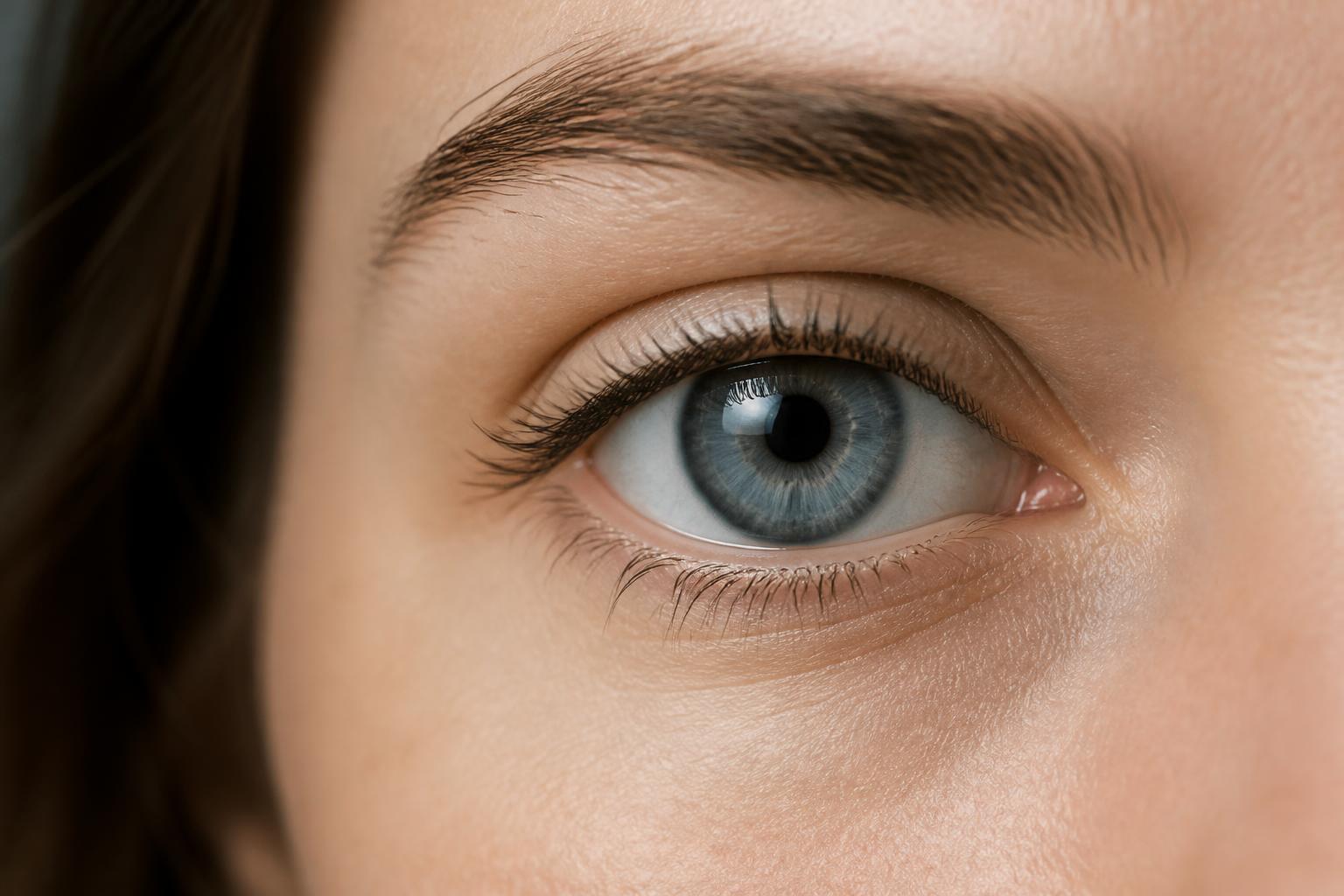
Blue gray eye color sits between two familiar shades: the bright clarity of blue and the cool softness of gray. It can look icy in daylight, smoky indoors, and slightly different from one photo to the next. That is why blue gray eyes are often described as blue and gray eyes, blue and grey eyes, or even gray blue eye color depending on which tone stands out most.
If you are trying to identify a blue gray eye, the key is not to focus on one single color patch. Look at the overall balance, the outer ring, the amount of contrast, and how the iris changes in different lighting. This guide breaks down the visual clues, shows how blue gray eye color compares with similar shades, and gives you a simple test-style checklist to use at home.
What blue gray eye color looks like
Blue gray eye color usually appears as a mix of cool blue pigment and muted gray tones. The result is often a soft slate, steel, or misty look rather than a vivid sky blue. Some people also use the phrase blue grey eye color to describe the same general appearance.
Common traits include:
- A cool, low-saturation iris color
- Blue tones that look softened by gray
- Possible silver or smoky reflections in bright light
- A darker limbal ring around the outer edge in some eyes
Blue gray eyes are not always uniform. One area of the iris may look more blue, while another seems more gray. That layered look is part of what makes this color interesting and sometimes hard to label quickly.
How to compare blue gray eyes with similar shades
When people ask whether they have blue gray eye color, they are often comparing it with plain blue eyes, gray eyes, hazel blends, or blue-green shades. A quick visual comparison helps more than trying to guess from a single photo.
| Eye color | What it usually looks like | How to tell it apart |
|---|---|---|
| Blue gray eye color | Soft blue with a muted gray cast | Looks cooler and less vivid than clear blue |
| Blue eyes | Brighter, cleaner blue | Has more obvious blue saturation and less slate tone |
| Gray eyes | Mostly neutral gray, sometimes with silver | Blue tone is weaker or only appears in certain light |
| Blue and gray eyes | A visible blend of both tones | Both colors are noticeable rather than one dominating |
| Blue gray eye / blue grey eyes | Blue base with gray overlay | Often looks like blue softened by smoke or steel |
Simple signs that point to blue gray eye color
If you are trying to identify a blue gray eye, use these visual signs together rather than relying on just one:
- Daylight test: In natural light, the iris may look bluer, but still muted.
- Indoor test: Under warm indoor lighting, the gray tones can become more visible.
- Photo check: Different phone cameras may shift the balance between blue and gray.
- Edge contrast: A darker outer ring can make the color appear sharper.
- Uniformity: Many blue gray eyes look even overall, without strong green or brown patches.
If the iris shifts between bluish silver and slate gray depending on the setting, that is a strong hint that you are looking at blue gray eyes rather than a pure blue shade.
Blue gray eye color vs. blue eyes
Blue eyes can be vivid, clear, and noticeably cool. Blue gray eye color is usually less saturated and more muted. In other words, blue eyes can look like open water or sky, while blue gray eyes often look like mist, steel, or winter light.
A useful comparison:
- Blue eyes: brighter, cleaner, more visibly blue
- Blue gray eyes: softer, smoke-like, and less saturated
If you are unsure, compare the eye in daylight and then in shade. Blue gray eye color tends to keep a cool cast while losing some brightness.
Blue gray eye color vs. gray eyes
Gray eyes may look almost neutral, with very little obvious blue. Blue gray eye color, by contrast, usually has a clear blue base that still shows through the gray overlay. This is why some people describe them as gray blue eye color.
Ask yourself:
- Does the iris look more blue than silver?
- Does the eye seem to shift toward blue in daylight?
- Does the gray look like a soft layer rather than the main color?
If the answer is yes, the eye is more likely to fall into the blue gray category than into pure gray.
Blue gray eyes vs. hazel or blue-green blends
Blue gray eyes are often confused with blended shades, especially when the iris has multiple colors. If you want a deeper comparison, this visual guide to Blue Hazel Eyes can help you separate blue-dominant blends from cooler gray-toned ones. You may also find the article on Blue Green Eye Color useful if the iris seems to carry a green cast in some lighting.
In general:
- Blue gray eyes: cool, muted, mostly blue-gray
- Blue hazel eyes: blue with warmer hazel tones nearby
- Blue-green eyes: blue with a noticeable green tint
If there is brown, gold, or green near the pupil, it may be a blended eye color rather than a blue gray eye.
A quick chart-style test for blue gray eye color
Use this simple checklist like a mini eye color chart when you are comparing shades.
| Question | Yes | No |
|---|---|---|
| Does the iris look mostly cool-toned? | Points toward blue gray eye color | May be warmer or more mixed |
| Does the eye look more muted than bright blue? | Points toward blue gray eyes | Could be pure blue |
| Do gray tones appear clearly in natural light? | Supports a blue gray or gray-blue label | May be a standard blue eye |
| Are green or brown tones minimal? | Fits blue gray eye color | May suggest hazel or blue-green |
| Does the eye change from blue to slate in different light? | Strong blue gray sign | Less likely to be blue gray |
If you answered yes to most of the left column, the eye likely belongs in the blue gray family of shades.
What can make blue gray eye color look different in photos
Blue gray eye color is especially sensitive to lighting and camera settings. A phone camera can make the same eye look bright blue in one photo and nearly silver in another.
Things that affect the look include:
- Natural versus artificial light
- Warm bulbs versus cool daylight
- Flash intensity
- Camera saturation and white balance
- Clothing color near the face
Because of this, it helps to compare multiple photos instead of trusting just one. A true blue gray eye usually stays cool-toned across settings, even when the balance shifts.
Where blue gray eyes fit among other eye colors
Blue gray eyes sit in the larger family of cool and muted iris shades. If you enjoy comparing unusual or in-between colors, you may also like the broader overview in Unusual Eye Color and the side-by-side reference for Eye Color Gray.
That broader view can help if your eye color is not a perfect match for one label. Many irises sit between categories, and blue gray eye color is a good example of a shade that often overlaps with blue, gray, and muted blend patterns.
Blue gray eye color and genetics: a simple note
Eye color is influenced by several genetic factors, and the visible shade comes from how light scatters in the iris as well as how much pigment is present. That means blue gray eyes can appear similar in different people without being identical. Two eyes that both look blue gray may still have different patterns or underlying tones.
What matters for identification is the visible result, not trying to force a perfect category. If the eye looks like a blue-gray blend most of the time, that is usually the most useful label for an everyday comparison.
When to use the app for a closer look
If you want a quicker comparison tool, the Eye Color Identifier app can help you analyze the shade and compare it with similar colors. It is especially useful when you are trying to decide between blue gray eye color, gray eyes, or a mixed shade that changes in different lighting.
Open the Eye Color Identifier on the App Store to compare your eye shade more closely.
FAQ: blue gray eye color
Is blue gray eye color the same as blue and gray eyes?
Often, yes. People use both phrases to describe the same cool blend. Some eyes lean more blue, while others lean more gray, but the overall look is still in the blue-gray range.
Is blue gray eye color rare?
It is less common than brown, but it is not the rarest eye type. Many people have eyes that fall somewhere in the blue-gray spectrum, even if the exact shade varies by light and camera.
Can blue gray eyes change color?
The iris does not truly change color, but blue gray eyes can look different depending on lighting, clothing, and photo settings. That is why they may appear bluer in one setting and grayer in another.
How do I know if my eyes are blue gray or gray blue eye color?
These labels are usually used for the same general shade. The order of the words often depends on whether the blue or gray tone seems more noticeable.
Could blue gray eyes be mixed with another shade?
Yes. If you see green, gold, or brown near the pupil or in patches, you may have a blend rather than a pure blue gray eye. For blend comparisons, see Bluish Hazel Eyes.
Quick takeaway
Blue gray eye color is best identified as a cool, muted blend that sits between blue and gray. Look for a soft slate or silver-blue appearance, compare the iris in natural light, and check whether the eye stays blue-gray across different settings. If you are still unsure, a side-by-side comparison and an eye color tool can make the answer much clearer.
For more comparison-based guides, explore the site and use the Eye Color Identifier app when you want a visual check.
Try the Whatcoloraremyeyes app
Use the app when you want a faster photo-based check before comparing details manually.