Eye Color Guide
Unusual Eye Colors: The Rarest Shades Explained
Learn how to compare and identify unusual eye color with a simple visual guide to shades, patterns, and rare features like amber, gray, green, and heterochromia.
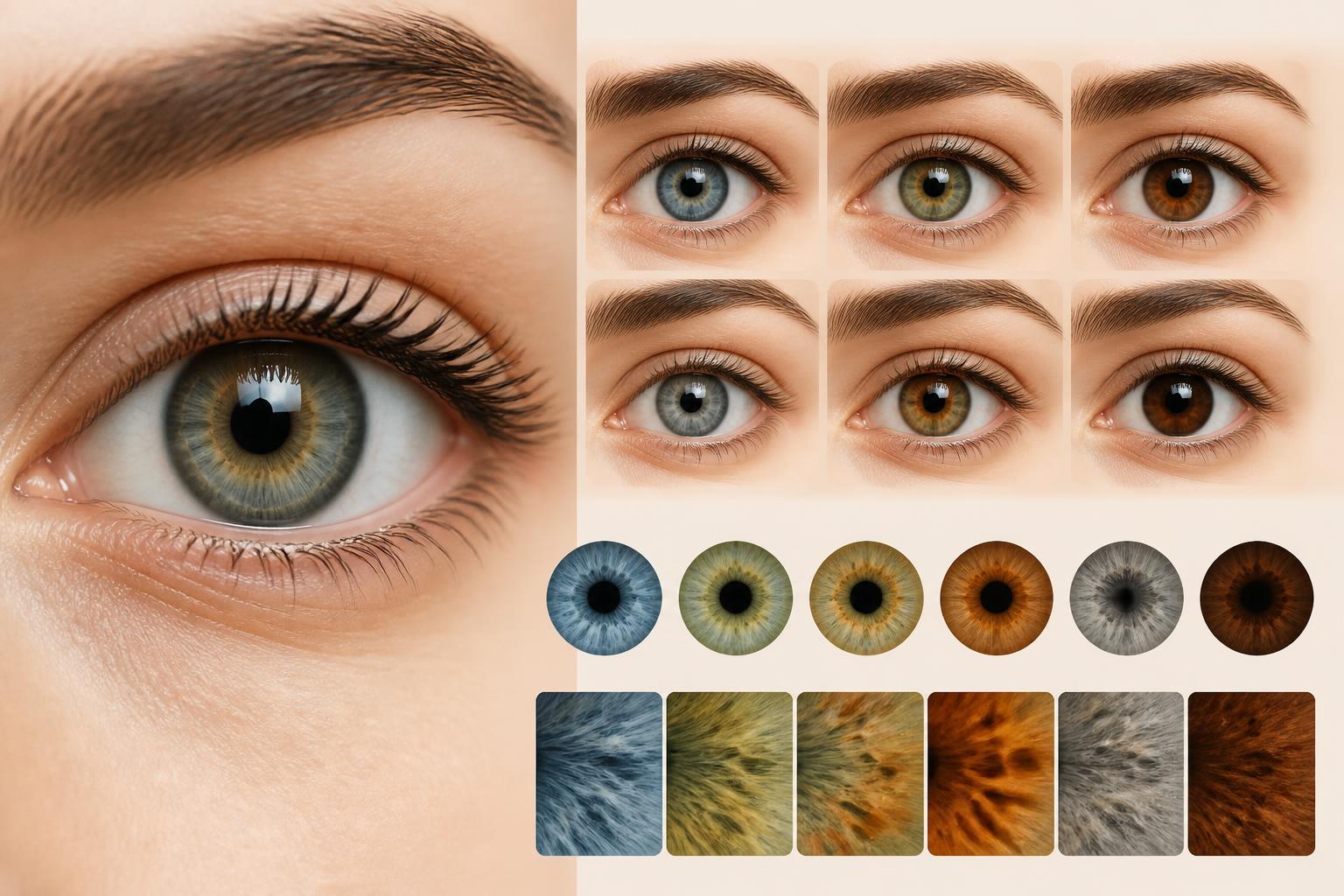
Unusual eye color can be eye-catching, but it is not always easy to name at a glance. Many irises sit somewhere between familiar categories, showing mixed tones, subtle rings, or light-dependent shifts that make color comparison tricky. If you want a clearer way to identify an unusual eye color, the key is to look at the whole iris pattern, not just the first shade you notice.
This guide explains how to compare eye colors visually, what features make an eye color seem unusual, and how to tell common shades apart from rarer ones. If you want a quick digital check alongside the tips below, you can also try the Eye Color Identifier Analyzer.
What counts as an unusual eye color?
“Unusual” does not always mean extremely rare. In everyday use, unusual eye color usually refers to any iris shade that looks less common, harder to classify, or visually distinctive because of mixed pigments or special patterns.
Examples may include:
- Very light blue or gray eyes
- Amber eyes with a golden, copper, or honey look
- Green eyes with muted olive or gray undertones
- Hazel eyes with blended brown, green, and gold
- Eyes with central heterochromia or two visible color zones
- Eyes that shift noticeably in different lighting
A shade can feel unusual simply because it does not fit neatly into one label. That is why a visual comparison approach works better than trying to guess from memory alone.
How to compare and identify eye color accurately
The easiest way to identify eye color is to compare it in layers. First, look at the dominant shade across the iris. Then check for rings, flecks, or changes near the pupil and outer edge. Finally, observe how the color looks in natural light.
A simple comparison method
- Look at the iris in daylight, if possible.
- Find the dominant base color: blue, green, brown, gray, amber, or hazel.
- Check the pupil area for a warm ring, gold center, or different color band.
- Look at the outer rim of the iris for darker edges.
- Notice whether the eye changes appearance in shade, bright light, or indoor light.
Using this method helps you separate a truly unusual eye color from one that only appears different because of lighting or camera filters.
Quick eye color comparison chart
| Eye color | Visual features | How it may appear unusual |
|---|---|---|
| Blue | Light iris with cool tones, often pale or deep blue | Very light blue can look icy or gray-blue |
| Gray | Low-saturation tone, often silver or slate-like | Can look blue in some lighting and steel-colored in others |
| Green | Green base with yellow, gray, or brown hints | Can shift between green and hazel depending on light |
| Amber | Golden, copper, or honey color with warm glow | Often stands out because of its uniform golden look |
| Hazel | Mix of brown, green, and gold tones | Looks different from moment to moment because of mixed pigments |
| Brown | Dark and warm, from light brown to deep espresso | Some lighter brown eyes show gold or green flecks |
If you want to explore a specific shade in more detail, these pages may help: Amber Eye Color: How to Compare and Identify Eye Color and Eye Color Gray: How to Compare and Identify Eye Color.
Features that make an eye color look unusual
An eye may seem unusual because of color alone, but shape, pattern, and contrast all play a role. Pay attention to these visual clues:
- Mixed pigments: The iris contains more than one visible shade.
- Central heterochromia: A different color ring appears near the pupil.
- Outer limbal ring: A darker edge around the iris creates stronger contrast.
- Low saturation: Gray, muted green, or soft blue can be harder to label.
- Warm highlights: Gold or copper tones can make the eye look amber or hazel.
For example, a green eye with golden flecks may look more unusual than a solid green iris because the extra pigment creates contrast. Likewise, a gray eye can seem rare or striking when it has a silver-blue cast.
Unusual eye color vs. rare eye color
These terms are related, but they are not identical. A rare eye color is less common in the population, while an unusual eye color may simply look distinctive, mixed, or difficult to place in a standard category.
That means an eye can be unusual without being extremely rare. For instance, hazel eyes are often considered visually unusual because they blend multiple shades, even though they are not the rarest. On the other hand, some very light or highly specific shades may be classified as rare because they appear less frequently overall.
If you want a broader overview of rarity, see the Rarest Eye Color: How to Compare and Identify Eye Color.
How lighting changes unusual eye color
Lighting can completely change how an eye color looks. This is one of the biggest reasons people disagree about eye color labels. Natural daylight, indoor warm light, and flash photography can all make the same iris appear different.
- Daylight: Often shows the truest base shade and subtle flecks.
- Warm indoor light: Can bring out gold, brown, and amber tones.
- Cool light: May emphasize blue, gray, or muted green.
- Flash: Can wash out detail and flatten the iris pattern.
If you are comparing an unusual eye color, use more than one light source before deciding on the label. A single photo is rarely enough.
Best ways to identify your eye color at home
If you are trying to identify your own eye color, use a mirror near a window or compare several clear photos taken in natural light. Look for the dominant shade first, then note any secondary colors.
A helpful at-home approach is:
- Take one photo in daylight and one indoors.
- Zoom in on the iris, not the whole face.
- Compare the eye to a reliable eye color chart.
- Check whether the color is uniform or mixed.
- Review whether the color leans cool, warm, or neutral.
You can also use a visual comparison tool to help narrow down the shade. Try the Eye Color Test: Find Your True Eye Color Online if you want a more guided comparison experience.
Examples of unusual-looking eye colors
Here are a few common examples of eye colors that often stand out visually:
- Amber eyes: Bright golden-copper tones with a warm glow.
- Gray eyes: Silver, slate, or blue-gray shades that can look metallic.
- Green eyes: Often mixed with yellow or brown, which can create a vivid or earthy look.
- Hazel eyes: A blend of brown and green that can shift in appearance.
- Blue eyes: Especially pale or icy blue shades that can appear almost white or gray.
To compare more shade-specific examples, see Blue Eye Color Shades: How to Compare and Identify Eye Color, Eye Color Green: How to Compare and Identify Eye Color, and Hazel Eyes: Color, Rarity, Meaning & Examples.
When eye color seems to change
Some eyes appear to change color, but the eye itself is usually showing different aspects of the same iris rather than transforming into a new color. This effect is often caused by lighting, clothing color, pupil size, or surrounding contrast.
For example, a hazel eye might look greener outdoors and browner indoors. A gray eye may pick up blue reflections. If your eye color appears to shift over time, it is worth checking whether the change is due to lighting or to a pattern in the iris.
For more on this topic, read What Causes Eye Color to Change in Adults? 7 Real Reasons.
FAQ
What is the most unusual eye color?
That depends on how you define unusual. Some people use it to mean rare, while others use it to mean visually distinctive. Very light gray, amber, or mixed-color eyes are often described as unusual because they stand out and can be harder to classify.
Is hazel an unusual eye color?
Hazel is often considered unusual in appearance because it combines more than one shade, usually brown, green, and gold. It is not always the rarest, but it is one of the most visually complex eye colors.
How can I tell if my eyes are gray or blue-gray?
Compare them in natural light and look at the dominant tone. Gray eyes usually look more neutral, silver, or slate-like, while blue-gray eyes keep a clearer blue cast. A comparison chart can help if the shade sits between categories.
Can a person have more than one eye color?
Yes, some eyes show multiple visible colors in the same iris. This may include central heterochromia, flecks, rings, or strong color mixing. These patterns can make the eye look unusual even if the dominant shade is common.
What is the easiest way to compare eye colors online?
Use a clear photo taken in natural light, then compare it with a trusted chart or a visual identifier tool. A tool like the Eye Color Identifier Analyzer can be a helpful starting point when you want a quick look at shade and pattern.
Final takeaway
Unusual eye color is usually easier to identify when you compare the iris in layers: dominant shade, inner ring, outer rim, and lighting changes. Whether the eye is amber, gray, green, blue, hazel, or a mixed pattern, the most accurate result comes from looking at the full visual picture rather than guessing from one photo.
If you are still unsure, use a chart, review a few examples, or try the Eye Color Identifier Analyzer for a simple comparison step. Small details often make the biggest difference.
Try the Whatcoloraremyeyes app
Use the app when you want a faster photo-based check before comparing details manually.