Eye Color Guide
Amber Eyes: What Makes This Color So Uncommon
Learn how to identify amber eye color, compare amber eyes with brown, hazel, and green, and understand what makes natural amber eye color unique.
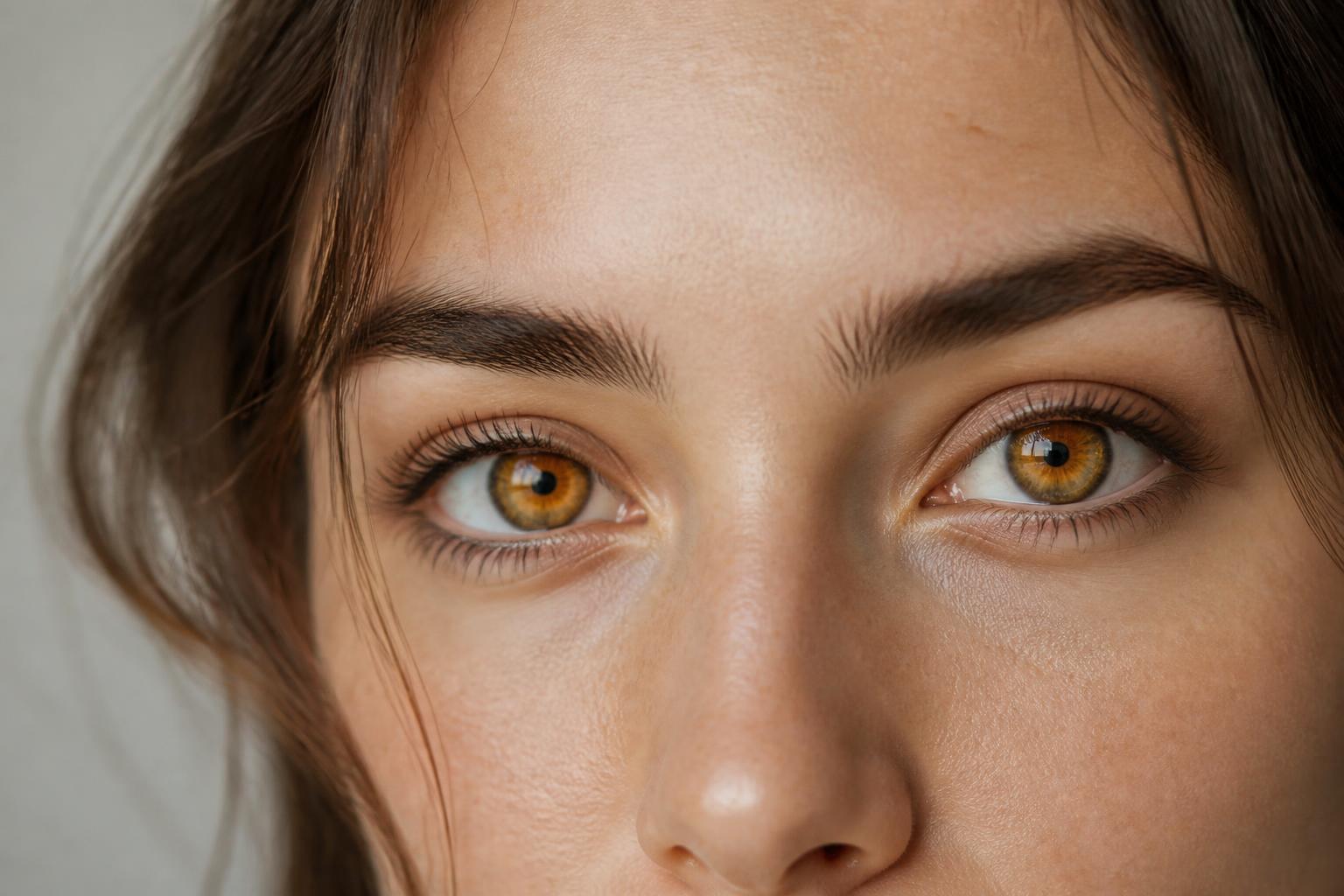
Amber eye color is one of the most striking eye shades because it can look golden, coppery, or honey-brown depending on the light. If you have ever wondered whether a pair of amber eyes are actually brown, hazel, or green, this guide will help you compare the differences and identify the shade more accurately.
Amber eye color usually has a warm, uniform look with golden, yellow, or reddish-brown tones. It is often easier to spot in daylight, where the iris can appear to glow with a soft gold tint. In some people, the color looks more like a dark amber eye, while in others it leans toward gold amber eyes.
What amber eye color looks like
Amber eye color is typically described as a solid warm shade without the obvious green flecks often seen in hazel eyes. The color can range from light honey to deeper copper or tawny tones. When people say “amber eye” or “amber eyes,” they are usually referring to this golden-brown family of eye color.
Unlike eyes that shift heavily between colors, natural amber eye color tends to look fairly consistent across the iris. That is one reason it stands out in photos and in bright light.
- Light amber: honey, gold, or yellow-brown
- Medium amber: warm golden brown with a smooth tone
- Dark amber eye: deeper copper or brown-gold with less brightness
Amber eyes vs brown, hazel, and green
The easiest way to identify amber eyes is to compare them with other common eye colors. Lighting matters, but the structure and color pattern of the iris matter too.
| Eye color | Typical look | How it differs from amber |
|---|---|---|
| Amber | Warm golden, honey, or copper tone | Usually more uniform and warmer than brown |
| Brown | Deep chocolate to medium brown | Less golden, often richer and darker overall |
| Hazel | Mix of brown, green, and gold | Often has multiple colors or a color shift |
| Green | Cooler green or green-gray tone | More visibly green, less yellow-gold |
If you are unsure whether your eyes are amber or hazel, look for green tones. Hazel eyes often show a blend, while amber eyes usually stay in the gold-brown range. For a broader comparison, see Hazel Eyes: Color, Rarity, Meaning & Examples and Eye Color Chart: Names, Rarity & All Eye Shades.
How to identify natural amber eye color
Natural amber eyes are best identified in daylight or soft window light. Indoor lighting can make them look darker or more brown than they really are. A close look at the iris may show a smooth, even warmth rather than a mixed pattern.
Use this quick checklist:
- Look for a golden, honey, or copper base color.
- Check whether the iris looks mostly uniform.
- Compare the eyes in daylight and in shade.
- Notice whether green flecks are absent or minimal.
- Take a photo without flash, then compare it with one in bright natural light.
If you want a more structured comparison, try the site’s Eye Color Test: Find Your True Eye Color Online. It can help you compare your eye shade against common categories and see whether amber eyes natural may be the closest match.
Why amber eye color can look different in photos
Amber eye color often changes appearance depending on light, camera settings, clothing colors, and surroundings. Warm light can make the eyes look more gold, while cool light can make them appear darker or slightly brown.
Common reasons amber eyes may look different:
- Lighting angle: direct sunlight can brighten the gold tones
- Camera flash: may wash out detail or make the iris look flatter
- Background colors: warm clothing can intensify amber tones
- Pupil size: a larger pupil hides more of the iris color
That is why a natural amber eye color can be easy to miss unless you compare several photos or observe the eyes in consistent light.
What causes amber eyes?
Eye color is influenced by iris pigment and how light scatters in the eye. Amber eye color is associated with a warm pigment balance that creates the golden or copper look. Genetics play a major role, but eye color is still complex and can vary within families.
For a deeper look at inherited eye color patterns, you can read Eye Color Genetics Chart: What Determines Eye Color?. This helps explain why one person may have amber eyes while another sibling has brown or green eyes.
In some cases, eye color can also shift slightly with age or health-related factors. If you are comparing current photos with older ones, see What Causes Eye Color to Change in Adults? 7 Real Reasons.
Amber eyes in literature and culture
Amber eyes often appear in descriptions because the shade is memorable and visually rich. The phrase “the hare with amber eyes” is a good example of how this color is used to create a vivid image. In writing, amber eyes usually suggest warmth, brightness, or a striking golden tone, but those associations are literary rather than scientific.
When reading descriptions, remember that writers may use amber eye color loosely. A character described as having amber eyes could have anything from golden hazel to deep copper-brown eyes.
Quick comparison guide
If you are deciding whether a shade is amber, use this simple visual guide:
- Amber eye color: warm, golden, honey, copper
- Amber eyes: usually look uniform and glowing in light
- Dark amber eye: deeper brown-gold, still warm
- Gold amber eyes: lighter and more yellow-gold in appearance
- Natural amber eye color: present without obvious added effects from filters or flash
A good rule of thumb: if the iris looks warm, golden, and mostly one blended shade, it may be amber rather than hazel or brown.
FAQ about amber eye color
Are amber eyes rare?
Amber eyes are less common than brown eyes, and many people notice them because of their golden appearance. Exact rarity can vary by population and definition, so it is best to compare shades carefully rather than rely on labels alone.
Is amber eye color the same as hazel?
No. Hazel eyes usually show a mix of colors, often including green and brown. Amber eye color is typically more uniform and warmer, with gold, honey, or copper tones.
Can amber eyes be dark?
Yes. A dark amber eye may look more brown-gold than bright gold, especially in indoor light. It can still have the warm amber quality without looking pale or yellow.
Do amber eyes change color?
They can look different depending on lighting, clothing, and camera settings. The underlying eye color does not usually change dramatically from moment to moment, but the visible tone can shift.
How can I tell if I have amber eyes natural?
Compare your eyes in daylight, shade, and indoor light. If the iris stays in the warm gold-brown range and does not show much green, you may have natural amber eye color.
Try the Eye Color Identifier
If you want help comparing amber eye color with other shades, use the Eye Color Identifier tool on the site for a quick visual check. It is a simple way to compare your eyes against common categories and get a clearer sense of your closest match.
You can also download the app here: Eye Color Identifier Analyzer on the App Store.
For a full overview of eye shades, you may also like What Color Are My Eyes? The Complete Guide to Identifying Your Eye Color.
Try the Whatcoloraremyeyes app
Use the app when you want a faster photo-based check before comparing details manually.